


Sales project management is crucial for enhancing the efficiency of the sales process and shortening the sales cycle. It incorporates project management principles to define the project's scope, allocate sales resources effectively, ensure proper coordination throughout the project lifecycle, and guarantee timely delivery. Key roles include:
- Sales leaders who set strategic direction
- Sales managers who oversee execution
- Sales representatives who implement and close deals
- Sales leaders who set strategies and guide the team.
- Sales reps who manage client relationships and close deals.
- Project management software that tracks progress and facilitates communication.
Various techniques can streamline the B2B sales process, including a structured sales methodology.
Project management for sales: understanding sales project management
Sales project management plays a pivotal role in B2B sales, improving process efficiency by applying project management principles to manage resources, strategies, and the overall sales cycle. The goal is to optimize the entire project lifecycle, from inception to delivery. Roles vary from sales leaders who set strategic directions to sales reps who implement methodologies.
Project management software is essential for tracking progress and executing tasks efficiently.
What is sales project management and why does it matter?
Sales project management is vital for effectively implementing sales strategies. It uses project management principles and techniques to enhance efficiency throughout the sales cycle. This approach considers all lifecycle phases and utilizes robust software, allowing sales leaders and reps to better use resources and ensure successful project delivery.
Effective sales methodology through project management is key to achieving business objectives.
Key components of project management for sales
Sales project management is foundational for efficiently running a business. It involves applying project management principles to achieve sales goals and efficiently allocating resources. The strategy includes techniques that streamline the sales process and effective use of project management software.
Defining clear roles for each sales rep ensures smooth project delivery, enhancing the B2B sales process and making leaders more effective.
How sales is becoming more like project management
Sales processes now require structured planning and coordination
Sales today demands structured planning and coordination similar to project management. Modern sales cycles often span weeks or months and involve multiple stakeholders, requiring clear timelines and task assignments.
For example, a B2B sales deal might include product demos, contract negotiations, and legal reviews, each needing careful scheduling and follow-up.
Using project management tools like Trello or Asana can help sales teams track progress and deadlines, ensuring no step is overlooked. These platforms allow sales reps to assign tasks, set reminders, and visualize the sales pipeline as a project timeline.
This approach reduces missed opportunities and improves client communication.
To adopt this method, freelancers and small businesses should map out their sales process as a project with defined stages and deliverables. This clarity enables better resource allocation and improves forecasting accuracy, which is crucial for meeting revenue goals in 2024 and beyond.
Collaboration across departments mirrors project team dynamics
Sales increasingly depends on collaboration across marketing, product, and customer support teams, much like a project team working toward a shared goal. This cross-functional cooperation ensures that sales reps have the latest product information and promotional materials to close deals effectively.
For example, integrating CRM software like HubSpot or Salesforce with project management tools can centralize communication and document sharing. This integration allows sales teams to access marketing campaigns or product updates in real time, reducing delays and miscommunication.
Freelancers and small business owners should establish regular check-ins and shared digital workspaces to foster this collaborative environment. Doing so aligns all stakeholders and accelerates the sales cycle, making the process more predictable and manageable.
Data-driven decision making enhances sales project outcomes
Sales teams are adopting data-driven approaches typical of project management to optimize their strategies. Tracking key performance indicators (KPIs) such as conversion rates, average deal size, and sales cycle length helps identify bottlenecks and areas for improvement.
Tools like Microsoft Power BI or Google Data Studio enable sales professionals to visualize these metrics through dashboards, making it easier to adjust tactics quickly. For instance, if data shows a drop in lead engagement during a particular stage, the team can implement targeted follow-ups or training.
Small businesses should start by defining measurable goals for each sales phase and regularly reviewing performance data. This practice promotes continuous improvement and ensures sales efforts align with overall business objectives in 2024.
Adopting project management skills improves sales effectiveness
Sales professionals benefit from developing core project management skills like time management, risk assessment, and stakeholder communication. These skills help manage complex deals and maintain momentum throughout the sales process.
For example, anticipating potential obstacles such as contract delays or budget constraints allows sales reps to proactively address issues before they derail progress. Using risk logs or contingency plans, common in project management, can be adapted for sales pipelines.
Freelancers and small business owners should consider training in project management methodologies such as Agile or Scrum to enhance their sales approach. This investment leads to more organized, efficient sales cycles and ultimately higher closing rates.
Project management for sales: implementing Bonsai effectively
Bonsai, with its focus on project management and collaboration, can be a powerful tool for sales teams to streamline their processes and increase efficiency. Agencies, consulting firms, and professional service providers can use various methodologies to manage their sales teams effectively. By implementing sales project management techniques, all team members gain a clear understanding of the goals, timelines, and their specific responsibilities.
Here's a breakdown of how to implement Bonsai for effective sales project management:
How to set up the project
Start by defining the project scope, which includes outlining the objectives, deliverables, and timelines for your sales project. Use Bonsai's project management software to set up the project, ensuring all relevant details are captured. This step is crucial for establishing clear expectations and providing a roadmap for the project.
- Log in to your Bonsai account.
- Click on the "Create New Project" button.
- Provide a clear and descriptive project name.
- Assign the project to the appropriate client or team.

2. Allocate resources
Next, allocate resources effectively within Bonsai. Assign tasks to team members based on their skills and availability, ensuring that all resources are optimally used. Bonsai's resource management features help in tracking resource allocation and adjusting as needed to meet project demands.
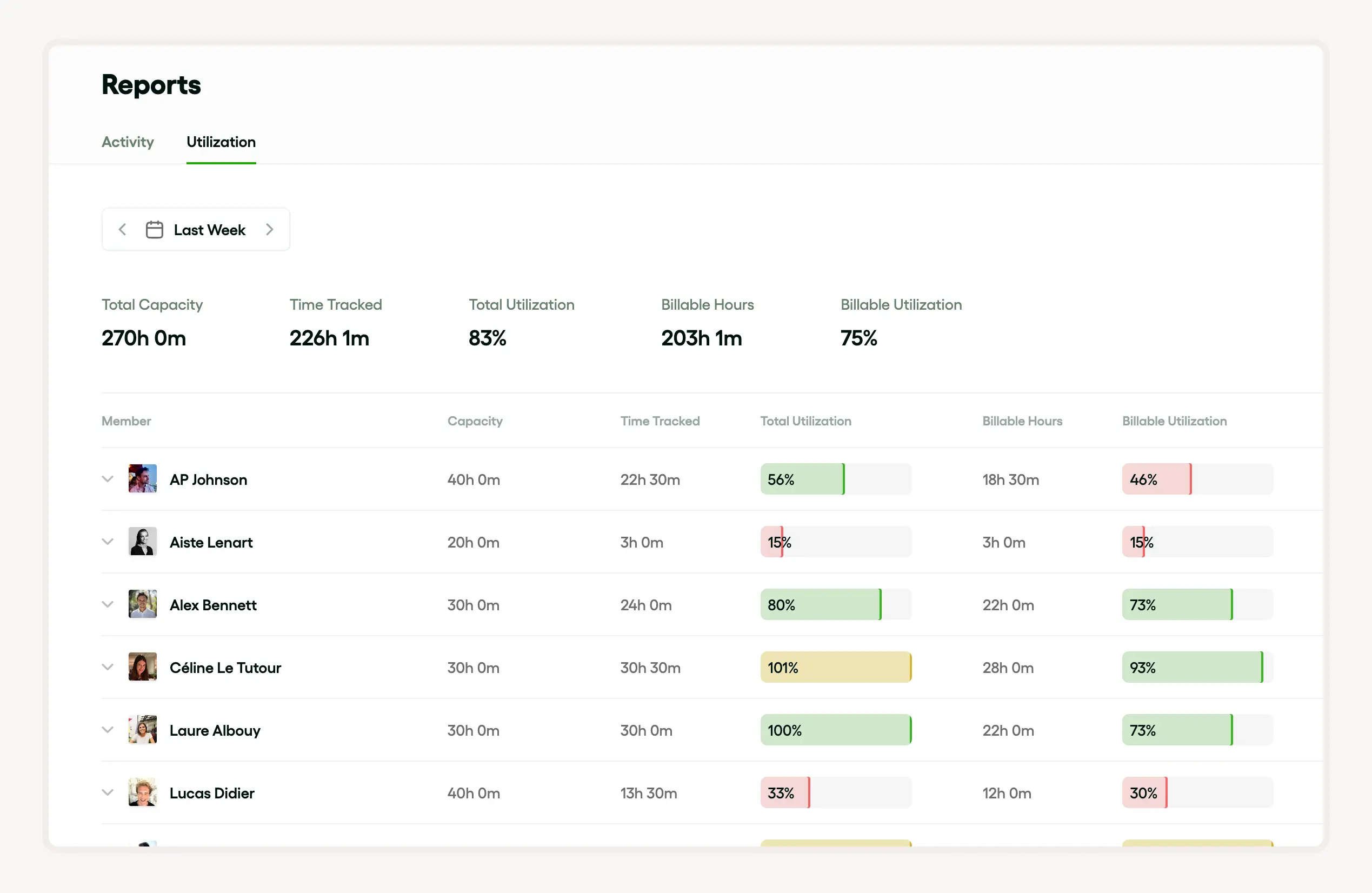
- Organize your team's workload, Establish capacity rates, Assign team hours. Record time off.
- Track workload in real time. Identify who’s overburdened instantly, make adjustments, and ensure projects stay within budget.
- Monitor resource usage and efficiency. Track each team member's profitability and time reports, and adjust as needed to stay within budget.
How to monitor progress and ensure project delivery
Finally, use Bonsai to monitor the progress of your sales project. Track task completion, manage workflows, and generate reports to ensure that the project stays on track. Regularly review the project's status and make necessary adjustments to ensure timely and successful project delivery.
- Track the ratio of billable hours to total hours worked, helping you visualize the financial efficiency of your projects.
- Access up-to-date information on team performance, allowing for timely adjustments and better decision-making.
- Use group utilization charts to visually represent data, making it easier to understand and communicate utilization levels across the organization.
By following these steps, you can enjoy Bonsai to enhance your sales project management, ensuring efficient resource allocation and successful project outcomes.
Project management for sales: the role of a sales project manager
A sales project manager is crucial for integrating sales process efficiency with project management principles. Their main duties cover the entire project lifecycle, including:
- Planning and strategy formation
- Resource allocation
- Delivery
They ensure the sales cycle runs smoothly and enhance the B2B sales process by coordinating between sales reps, leaders, and methodologies through effective software. They employ techniques that meet objectives and increase profitability.

What are the responsibilities and duties of a sales project manager?
A sales project manager's responsibilities are central to enhancing sales process efficiency. These include delegating tasks, guiding sales strategies, and using project management techniques for timely project delivery. They monitor the project lifecycle to minimize disruptions and maximize productivity.
Employing project management principles and managing resources efficiently are critical in a B2B sales context, with the aim of becoming successful sales leaders.
What skills are required for effective sales project management?
Effective sales project management requires a diverse skill set. A deep understanding of project management principles is essential for directing and implementing sales projects. Awareness of the B2B sales process and strategies helps target customers effectively.
Proficiency in project management software can improve efficiency and simplify the project lifecycle. Understanding each team member's role—from sales reps to leaders—ensures smooth delivery and optimal resource use. Incorporating proven techniques can drive sales and enhance performance.
Key components of sales project management
Defining clear objectives and project goals
Setting clear objectives and project goals is the foundation of effective sales project management. Begin by specifying what the sales project aims to achieve, such as increasing lead conversion by 15% within three months or launching a new product to a targeted market segment. Clear goals help align your team and provide measurable outcomes to track progress.
Use the SMART criteria—Specific, Measurable, Achievable, Relevant, and Time-bound—to refine your goals. For example, instead of a vague goal like “improve sales,” define it as “increase monthly sales revenue by $10,000 by the end of Q3 2024.” This clarity ensures everyone understands the project’s purpose and can focus efforts accordingly.
To implement this, tools like Asana, Monday.com, or ClickUp allow you to document and share objectives with your team, ensuring transparency and accountability. Start every sales project by writing down your goals and revisiting them regularly to maintain focus and momentum.
Planning milestones and sales strategies
Breaking down your sales project into milestones helps manage progress and keeps the team motivated. Identify key phases such as:
- Lead generation
- Qualification
- Proposal
- Closing
Assign deadlines to each milestone to maintain a steady workflow and avoid last-minute rushes.
Developing a sales strategy tailored to your project is equally important. For instance, if targeting small businesses, your approach might focus on personalized outreach via LinkedIn or email campaigns. Use CRM tools like HubSpot, Salesforce, or Zoho CRM to track interactions and automate follow-ups, ensuring no lead falls through the cracks.
Regularly review your milestones and strategies in team meetings or through project management software dashboards. Adjust plans based on real-time data and feedback to stay agile and responsive to market changes.
Managing communication and collaboration effectively
Effective communication is vital in sales project management to keep everyone aligned and informed. Establish clear channels such as Slack for instant messaging and Zoom for weekly check-ins. This ensures quick resolution of issues and fosters team collaboration.
Documenting conversations and decisions in shared platforms like Google Drive or Notion helps maintain transparency and provides a reference for all team members. Encourage open dialogue to surface challenges early and celebrate small wins to boost morale.
To enhance collaboration, assign roles clearly and use tools like Trello, ClickUp, or Asana to visualize task ownership and deadlines. This approach minimizes confusion and keeps the project moving smoothly toward its sales targets.
Evaluating results and identifying lessons learned
After completing a sales project, evaluating results is crucial to understand what worked and what didn’t. Compare actual sales figures against your initial goals to measure success. For example, if your target was a 15% increase in conversions but you achieved only 10%, analyze the factors behind the shortfall.
Gather feedback from your sales team and clients to identify challenges and opportunities for improvement. Use surveys or debrief meetings to collect insights. Document these lessons in a project post-mortem report to guide future projects.
Applying these learnings helps refine your sales processes, improve forecasting accuracy, and increase overall efficiency. Make it a habit to review and update your project management approach after every sales campaign to drive continuous growth.
Steps for project management for sales
Sales project management is vital in the B2B sales process for managing resources and improving efficiency. The initial step involves defining the project lifecycle, breaking it down into manageable tasks, and clearly defining roles among team members, including sales reps and leaders.
Applying principles like planning, organizing, leading, and controlling helps streamline the sales cycle and ensure efficient delivery. Using project management software is beneficial for implementing effective techniques and tailoring strategies to market trends.
How to initiate project management for sales by setting goals and objectives
The initiation phase of sales project management focuses on leveraging project management principles to enhance the efficiency of the sales process, advance the sales cycle, and effectively utilize sales resources. This phase involves defining the roles and responsibilities within the sales project management team, including sales leaders and reps, to ensure efficient project delivery.
The overarching goal is to enhance the B2B sales process, adopt a suitable sales methodology, and utilize project management software for streamlined processes.
How to plan project management for sales with a sales project plan
Developing a sales project plan begins with a deep understanding of project management principles and integrating sales project management techniques to drive sales process efficiency. The plan should detail the sales cycle and define the roles and responsibilities of sales reps and leaders. Project management software plays a critical role in tracking the project lifecycle to ensure timely delivery. The sales methodology should align with the B2B sales process and utilize adequate resources to form effective sales strategies.
How to execute project management for sales by implementing the sales project plan
A robust sales project management plan can significantly boost the efficiency of the sales process. Key stakeholders, including sales leaders, project managers, and sales reps, have clear roles and responsibilities throughout the project lifecycle, aimed at streamlining the B2B sales process with a focus on timely project delivery.
Utilizing project management software and adapting sales project management techniques to your company’s strategies ensures effective resource use, speeding up the sales cycle and enhancing productivity.
How to monitor and control project management for sales by tracking progress
In managing a B2B sales process, it's crucial to apply project management principles and utilize software to ensure efficiency.
Regular progress tracking and the implementation of effective sales project management techniques maintain control over the project. These techniques involve careful monitoring of the sales cycle, efficient resource allocation, and clear definition of roles and responsibilities for every team member. They align sales strategies with project delivery goals.
How to close project management for sales by evaluating the project outcome
Adhering to project management principles and employing proper sales project management techniques maximized our sales process efficiency. Using our project management software, we maintained a well-defined project lifecycle, which streamlined our B2B sales process and enhanced the effectiveness of our sales cycle.
Our sales leaders and reps, equipped with efficient resources and effective strategies, delivered commendable results, marking a significant milestone in our sales project management endeavors.
Best practices for project management for sales
In sales project management, adhering to project management principles maintains sales process efficiency. The sales cycle should be clearly defined and closely monitored using robust project management software. This software facilitates essential sales project management techniques for an efficient methodology.
Understanding the project lifecycle thoroughly with clearly defined roles and responsibilities for all participants, from sales leaders to reps, is key to successful project delivery.
How to communicate effectively in sales project management
Effective communication is paramount in sales project management to ensure process efficiency and smooth project delivery. By leveraging project management principles, sales leaders clearly articulate roles and responsibilities across the project lifecycle.
The use of project management software further streamlines the B2B sales process, integrating various strategies and methodologies while efficiently utilizing sales resources. Adopting diverse sales project management techniques ensures that all team members are aligned and working towards the same goals.
How to utilize agile methodologies in sales project management
In sales project management, adopting Agile methodologies can significantly enhance process efficiency. The Agile approach facilitates the sales cycle by allowing continuous adjustment of sales strategies and optimal resource allocation.
Crucial project management principles are applied in Agile, fostering a swift response to changes throughout the project lifecycle. Utilizing project management software, roles and responsibilities of sales leaders and reps are continuously evaluated and adjusted, enhancing the B2B sales process for smoother, quicker project delivery.

Why continuous training and development matter in sales project management
Continuous training and development are crucial for enhancing sales project management techniques and improving sales process efficiency. It equips sales reps with the latest strategies and resources, contributing to a shorter sales cycle and increased revenues.
It familiarizes the team with essential project management principles vital for efficient project delivery and management across the lifecycle.
Such training clarifies roles and responsibilities, ensuring accountability and commitment in the team, and keeps them updated with the latest project management software tools, essential in today’s B2B sales process. Overall, continuous training is paramount to molding competent sales leaders capable of steering the team to success.
Benefits of project management for sales
Setting clear sales objectives
Project management helps sales teams define clear, measurable objectives that guide their efforts. By breaking down large sales goals into smaller tasks with deadlines, teams can focus on specific targets such as increasing lead conversion rates by 15% within a quarter. Tools like Asana, Monday.com, or ClickUp allow sales managers to assign tasks and track progress, ensuring everyone understands their responsibilities.
For example, a small business aiming to launch a new product can use project management to outline steps such as lead generation, client outreach, and follow-up calls. This clarity reduces confusion and aligns the team toward common goals, improving overall sales performance.
To implement this, start by defining your sales targets and then use a project management tool to create a timeline with milestones. Regularly review progress in team meetings to keep objectives top of mind and adjust plans as needed.
Enhancing collaboration among sales teams
Project management fosters better collaboration by centralizing communication and documentation. Sales teams often juggle multiple clients and campaigns, so having a shared platform like Trello, Slack, or Microsoft Teams keeps everyone updated on client status and next steps. This reduces miscommunication and duplicated efforts.
For instance, a freelance sales consultant working with multiple clients can use project boards to track each client’s pipeline stage. Team members can comment directly on tasks, share files, and tag colleagues to resolve issues quickly. This transparency accelerates decision-making and improves client satisfaction.
To boost collaboration, encourage your team to use project management tools consistently and set guidelines for communication. Regular check-ins and shared dashboards help maintain alignment and speed up the sales cycle.
Optimizing resource allocation in sales projects
Effective project management ensures sales resources—such as time, budget, and personnel—are allocated efficiently. By tracking workloads and deadlines, managers can assign tasks to team members with the right skills and availability. This prevents burnout and missed opportunities.
For example, a small business using Microsoft Project can visualize the sales pipeline and identify bottlenecks where too many tasks fall on one salesperson. Adjusting assignments based on this data helps balance workloads and maximizes team productivity.
To optimize resources, regularly review your sales project plan and use tools with resource management features. This proactive approach keeps projects on track and ensures your team focuses on high-impact activities.
Improving time management and organization
Project management tools help sales teams manage their time by setting clear deadlines and prioritizing tasks. This structure prevents last-minute rushes and missed deadlines. Such delays can harm client relationships and revenue.
For example, using calendar integrations in platforms like ClickUp or HubSpot CRM, sales reps can schedule follow-ups and demos with automated reminders. This keeps the sales process moving smoothly and reduces the risk of forgetting key activities.
To improve time management, encourage your team to plan daily and weekly tasks within a project management system. Regularly updating task statuses and using time-tracking features can also identify areas for efficiency improvements.
Increasing accountability and ownership
Project management creates accountability by assigning clear ownership of tasks and deadlines. When sales reps know they are responsible for specific deliverables, they are more motivated to complete work on time and maintain quality.
For example, a small sales team using Jira can assign each lead follow-up or proposal to an individual, with visibility for managers to monitor progress. This transparency encourages ownership and helps identify when support or intervention is needed.
To foster accountability, set clear expectations for task completion and use project management dashboards to track individual contributions. Celebrate successes publicly to reinforce ownership and team morale.
Common challenges in sales project management (and how to overcome them)
Managing scope creep effectively
Scope creep happens when a sales project’s goals or deliverables expand beyond the original plan without proper approval. This often leads to missed deadlines and budget overruns. To manage scope creep, set clear project boundaries from the start and document all agreed-upon tasks in a project management tool like Asana or Monday.com.
For example, if a sales campaign was initially planned to target three client segments but later demands include five, you should evaluate the impact on resources and timelines before accepting changes. Communicate any adjustments with your team and clients to keep everyone aligned.
Use change request forms to track modifications formally and update your project plan accordingly. This approach helps maintain control over deliverables and ensures that your sales project stays on track without unexpected expansions.
Resolving interdepartmental conflicts
Interdepartmental conflicts often arise when sales teams need support from marketing, product, or customer service but face misaligned priorities. These conflicts can delay project progress and reduce team morale. To overcome this, establish regular cross-team meetings using collaboration platforms like Slack or Microsoft Teams to foster open communication.
For instance, if the sales team requires updated product information to close deals but the product team is focused on development sprints, scheduling weekly check-ins can help synchronize efforts. Define shared goals and key performance indicators (KPIs) that encourage collaboration rather than competition.
Encourage transparency by using shared dashboards in tools like Trello or Jira, so all teams can track progress and dependencies. This visibility reduces misunderstandings and helps resolve conflicts before they escalate.
Adapting to changing market dynamics
Sales projects must adapt quickly to shifts in market conditions, such as new competitors, regulatory changes, or evolving customer preferences. Failing to respond promptly can result in lost opportunities. To stay agile, use real-time data analytics tools like HubSpot or Salesforce to monitor market trends and customer behavior continuously.
For example, if a competitor launches a new pricing model, your sales project should quickly assess its impact and adjust strategies accordingly. This might involve revising sales pitches or targeting different customer segments to maintain competitiveness.
Building flexibility into your project plans by scheduling regular review points allows your team to pivot when necessary. Encourage a culture of continuous learning and quick decision-making to keep your sales efforts aligned with the current market landscape.
Overcoming resource constraints
Limited resources, such as time, budget, or personnel, are common challenges in sales project management. These constraints can hinder your ability to execute campaigns effectively. To manage this, prioritize tasks based on their impact and use resource management tools like ClickUp or Wrike to allocate your team’s time efficiently.
For instance, if your sales team has only two members but multiple leads to follow up on, focus on high-potential clients first and automate routine communications using email marketing tools like Mailchimp. This ensures your limited resources deliver maximum results.
Regularly review your resource allocation and adjust workloads to prevent burnout. Consider outsourcing specific tasks, such as lead generation or data entry, to freelancers through platforms like Upwork to supplement your team when needed.
Tools for project management for sales
Effective sales project management relies on tools that align with project management principles to increase sales process efficiency. Using project management software helps organize and manage the sales cycle by employing various sales project management techniques. This approach turbocharges sales strategies by providing a clear view of sales resources, roles, responsibilities, and tracking project delivery throughout its lifecycle.
In the B2B sales process, these tools aid sales leaders and sales reps in adhering to a robust sales methodology, promoting effective communication, timely decision-making, and improved overall performance. Remember, proficient project management is a key determinant of a successful sales process.
Benefits of project management software for sales
Implementing project management software can greatly benefit the sales cycle by enhancing project delivery and boosting sales process efficiency. Applications of project management principles within these programs aid in effectively managing the project lifecycle and the roles and responsibilities therein.
This software also empowers sales leaders and sales reps by offering valuable sales project management techniques. Furthermore, it streamlines sales strategies and optimizes the use of sales resources, fostering a strong B2B sales process and enhancing sales methodology.
Features to look for in project management tools for sales
When selecting a sales project management tool, certain key features can vastly enhance sales process efficiency. Choose software that offers a bird’s-eye view of the entire sales cycle, improving project delivery with real-time data and visibility. Tools that incorporate project management principles can help organize sales project management techniques, teams, and resources effectively.
The software should also offer clarity on roles and responsibilities for every stage of the project lifecycle. Look for a tool that integrates with the sales strategies and methodologies of your team, making it a practical solution for sales reps, sales leaders, and the entire B2B sales process.
Top project management tools for sales: Bonsai, Trello, Asana, and Zoho Projects
In the realm of sales project management, four noteworthy tools emerge as essential for improving sales process efficiency and effectively implementing sales project management techniques. These tools are:
- Bonsai
- Trello
- Asana
- Zoho Projects
These project management software options aid in managing the project lifecycle, defining roles and responsibilities, and streamlining the B2B sales process.
Bonsai stands out as an excellent choice for managing sales projects thanks to its wide range of features that simplify the entire sales process. It provides powerful task management tools that enable sales teams to keep track of leads, handle client interactions, and monitor their progress in real-time.
The workflow management features of Bonsai help ensure that sales activities are well-organized and efficient, minimizing delays and boosting productivity.
.webp)
Moreover, its resource management capabilities assist in assigning the right resources to the appropriate tasks, enhancing team performance. With Bonsai, sales teams can effectively plan, execute, and monitor their projects, making it an essential tool for reaching sales goals and fostering business growth.
- Bonsai's complete project management tool to streamline your entire business.
- Trello champions sales resources organization, enhancing sales strategies implementation.
- Asana aids in project delivery, contributing to improved sales cycle management.
- Zoho Projects is popular amongst sales leaders and sales reps for promoting sales methodology practices.
Challenges in project management for sales and how to overcome them
In sales project management, one significant challenge is maintaining sales process efficiency throughout the sales cycle. This includes identifying potential bottlenecks, ensuring a smooth B2B sales process and effective allocation of sales resources.
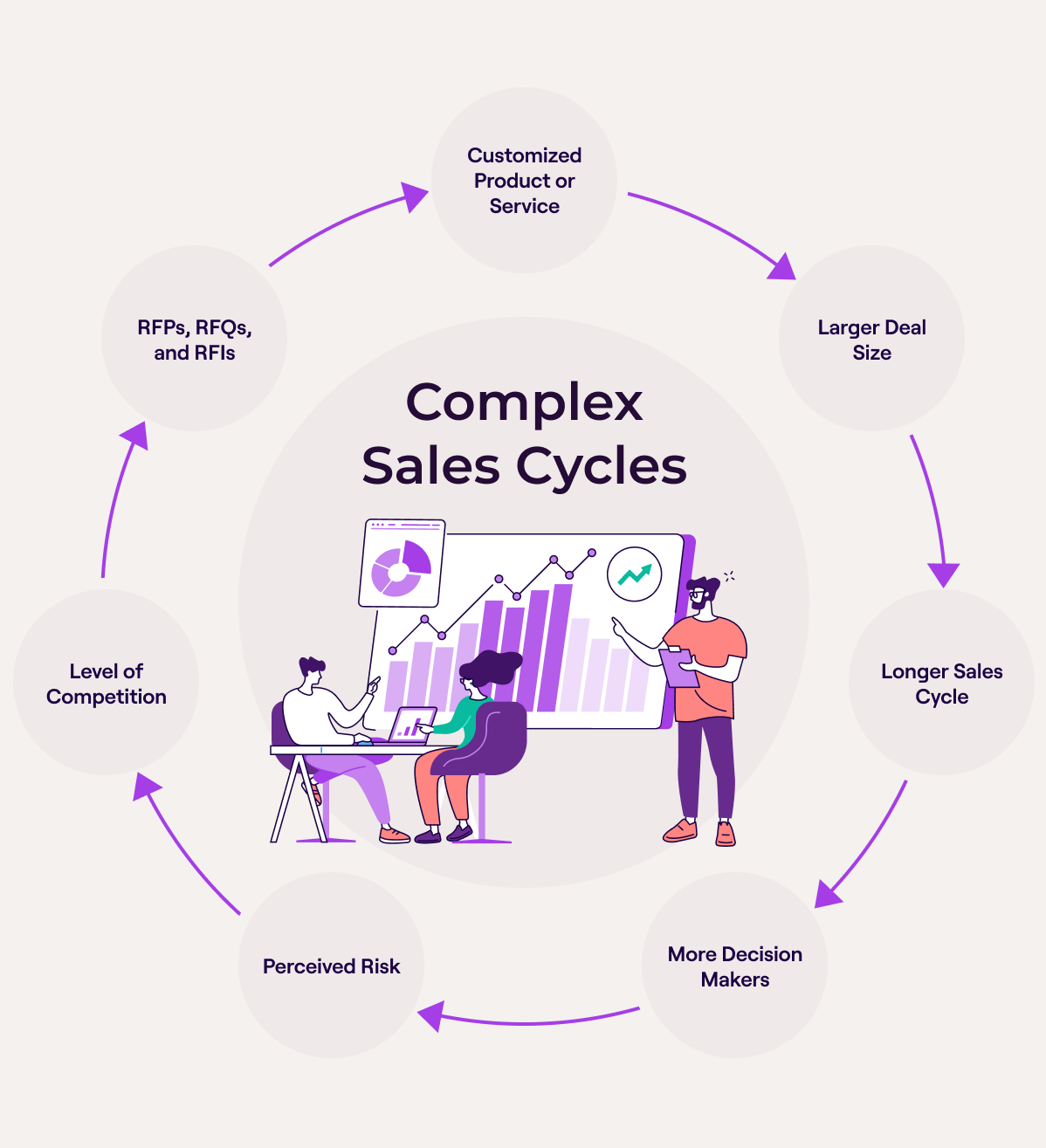
Another challenge is defining clear roles and responsibilities for each sales rep. Balancing these roles within the project lifecycle can be complex and may impact project delivery if not accurately managed.
To overcome these challenges, sales project management techniques should adhere to project management principles and utilize project management software. Effective sales strategies led by competent sales leaders also play a crucial role in managing these issues.
How to manage complex sales projects
Sales project management is a fundamental process in managing complex sales projects. It involves implementing project management principles aimed at increasing sales process efficiency and shortening the sales cycle.
Utilizing project management software and applying robust sales project management techniques are critical strategies to ensure successful project delivery.
The project life cycle includes defining roles and responsibilities, mobilizing sales resources, and leveraging the B2B sales process. These tasks fall under the jurisdiction of both sales leaders and sales reps. Adhering to a refined sales methodology can significantly improve results and contribute to the project’s overall success.
How to deal with changing market trends in sales project management
Dealing with changing market trends requires strong sales project management techniques, a solid grasp of project management principles, and a commitment to sales process efficiency. Adapting to shifts in the market may necessitate reevaluation of the sales cycle and adjustments to established sales strategies.
In this rapidly changing B2B sales process, sales leaders need to ensure that sales resources are efficiently allocated throughout the project lifecycle. This involves clearly defining the roles and responsibilities of each sales rep.
Utilizing efficient project management software can also greatly aid in project delivery, thereby bolstering sales methodology.
How to handle team dynamics and conflicts in sales project management
In any sales project management scenario, conflicts may arise among the team due to differing perceptions of roles and responsibilities or disagreements over sales strategies.
Efficient management of team dynamics involves implementing project management principles, optimizing the sales process for better efficiency and effectively utilizing project management software.
Throughout the project lifecycle, from initial B2B sales process to final project delivery, conflicts should be handled promptly with open communication and clear role definitions. The sales leaders and sales rep need to focus on sales project management techniques balancing the sales resources for optimal sales cycle performance.
Measuring success in project management for sales
In sales project management, success is measured by evaluating the sales cycle's efficiency and the effectiveness of project delivery. Key factors include the productive use of sales resources, adherence to proven project management principles, and the implementation of efficient sales methodologies. Tools designed for project management also play a crucial role in streamlining tasks and processes, enhancing overall project coordination.

What are the key performance indicators (KPIs) in sales project management?
To effectively manage sales projects, combining project management principles with specific sales methodologies is essential to optimize sales process efficiency. Using project management software helps coordinate the B2B sales process, manage roles and responsibilities, and organize sales resources effectively. Essential Key Performance Indicators (KPIs) include:
- Sales cycle length
- Conversion rates
- Quota attainment
- Sales resource utilization
- Customer acquisition cost
- Sales Cycle Duration: Measures the average time required to close a deal.
- Sales Project Delivery: Assesses whether sales projects are completed within the estimated time and budget.
- Return on Sales Resources: Evaluates the effectiveness of the resources allocated to sales.
These KPIs are crucial for helping sales leaders and reps refine their management techniques and sales strategies.
How to interpret and apply sales project management data
Effective sales project management techniques can significantly improve the efficiency of the sales process, guiding a project smoothly from inception to delivery. It begins with the planning phase and continues through the entire project lifecycle, applying project management principles to ensure efficient execution.
Sales strategies can be enhanced by clearly defining the roles and responsibilities of all participants, from sales leaders to sales reps. Additionally, it's vital to use sales resources wisely. Project management software proves beneficial in managing the B2B sales process and implementing the sales methodology, helping maintain structure and ensuring all critical steps are completed effectively.


'%3e%3cg id='Final-Copy-2_2_' transform='translate(1275.000000, 200.000000)'%3e%3cpath class='st0' d='M7.4,12.8h6.8l3.1-11.6H7.4C4.2,1.2,1.6,3.8,1.6,7S4.2,12.8,7.4,12.8z'/%3e%3c/g%3e%3c/g%3e%3c/g%3e%3cg id='final---dec.11-2020'%3e%3cg id='_x30_208-our-toggle' transform='translate(-1275.000000, -200.000000)'%3e%3cg id='Final-Copy-2' transform='translate(1275.000000, 200.000000)'%3e%3cpath class='st1' d='M22.6,0H7.4c-3.9,0-7,3.1-7,7s3.1,7,7,7h15.2c3.9,0,7-3.1,7-7S26.4,0,22.6,0z M1.6,7c0-3.2,2.6-5.8,5.8-5.8 h9.9l-3.1,11.6H7.4C4.2,12.8,1.6,10.2,1.6,7z'/%3e%3cpath id='x' class='st2' d='M24.6,4c0.2,0.2,0.2,0.6,0,0.8l0,0L22.5,7l2.2,2.2c0.2,0.2,0.2,0.6,0,0.8c-0.2,0.2-0.6,0.2-0.8,0 l0,0l-2.2-2.2L19.5,10c-0.2,0.2-0.6,0.2-0.8,0c-0.2-0.2-0.2-0.6,0-0.8l0,0L20.8,7l-2.2-2.2c-0.2-0.2-0.2-0.6,0-0.8 c0.2-0.2,0.6-0.2,0.8,0l0,0l2.2,2.2L23.8,4C24,3.8,24.4,3.8,24.6,4z'/%3e%3cpath id='y' class='st3' d='M12.7,4.1c0.2,0.2,0.3,0.6,0.1,0.8l0,0L8.6,9.8C8.5,9.9,8.4,10,8.3,10c-0.2,0.1-0.5,0.1-0.7-0.1l0,0 L5.4,7.7c-0.2-0.2-0.2-0.6,0-0.8c0.2-0.2,0.6-0.2,0.8,0l0,0L8,8.6l3.8-4.5C12,3.9,12.4,3.9,12.7,4.1z'/%3e%3c/g%3e%3c/g%3e%3c/g%3e%3c/g%3e%3c/svg%3e)