


A Finance Project Manager plays a key role in project management, strategic planning, and managing financial projects. They draft the project charter, keep track of project data, handle the project budget, and manage project risks to meet financial goals.
Finance Project Managers play a pivotal role in liaising with project stakeholders and ensuring project deliverables align with intended goals. The salary for a Finance Project Supervisor is competitively higher compared to many other states. This article discusses in detail the role and salary of a finance project supervisor.
Finance project manager role introduction
A Finance Project Supervisor plays a pivotal role in project management, closely handling all aspects of financial projects. Their responsibilities include:
- Directing the project team
- Keeping the project on schedule
- Controlling project risk
- Communicating with project partners
- Managing project data
- Scrutinizing the project budget
- Meticulous project planning
- Ensuring the strategic planning aligns with the financial objectives of the entity
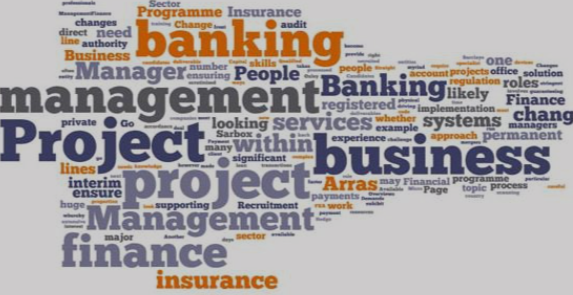
In addition to directing the project team and keeping the project on schedule, Finance Project Supervisors control project risk and communicate effectively with project partners. They are also responsible for managing project data.
Defining a finance project manager role
The person who is the project manager of finance is a key figure in project management, primarily responsible for executing financial projects based on defined financial objectives and strategic planning. It’s obvious that this role involves comprehensive project planning and maintaining the project schedule to ensure timely project completion.
As a result, the Project Manager of Finance performs detailed financial analysis for reliable project data and oversees the project budget, effectively mitigating project risk. Putting it all together, the manager works closely with project team members and project stakeholders.
Key finance project manager responsibilities
A Finance Project Supervisor manages financial projects, including project planning and creating and monitoring the project budget. They are proficient in conducting financial analysis to ensure the project's financial objectives align with the business's financial goals.
The Finance Project Manager leads the project team and liaises with project stakeholders to present project data. They are also tasked with managing project risks.
Typical duties and responsibilities of a finance project manager
Planning and budgeting financial projects
A finance project manager is responsible for creating detailed project plans and budgets that align with organizational goals. This involves defining project scope, setting milestones, and estimating costs accurately. Using tools like Microsoft Project or Smartsheet can help map out timelines and allocate resources effectively.
For example, when launching a new financial software system, the manager must forecast expenses for software licenses, training, and potential consulting fees. They also need to build contingency budgets to handle unexpected costs, ensuring the project stays financially viable throughout its lifecycle.
To take action, start by breaking down your project into smaller tasks and assign realistic deadlines. Use budgeting software such as QuickBooks or Xero to track expenses in real time. Regularly review and adjust your budget to prevent overspending and keep stakeholders informed.
Coordinating cross-functional teams and stakeholders
Managing a finance project requires coordinating teams from finance, IT, compliance, and sometimes external vendors. The finance project manager acts as the communication hub, ensuring everyone understands their roles and deadlines. Tools like Asana or Trello can facilitate task assignments and progress tracking.
For instance, during a financial audit preparation project, the manager must work closely with accounting staff to gather documents, IT to secure data access, and legal teams to ensure compliance. Clear communication prevents delays and helps resolve conflicts quickly.
To improve coordination, schedule regular check-ins and use collaborative platforms like Microsoft Teams or Slack. Establish clear reporting lines and document decisions to maintain transparency and accountability throughout the project.
Monitoring project performance and financial reporting
A key responsibility is tracking the project’s progress against goals and budget. Finance project managers use key performance indicators (KPIs) such as cost variance, schedule adherence, and return on investment to measure success. Software like Tableau or Power BI can visualize these metrics for easy analysis.
For example, if a project to implement a new budgeting system is running over budget by 10%, the manager must identify the cause, such as underestimated training costs, and adjust plans accordingly. Timely financial reporting to stakeholders helps maintain trust and supports informed decision-making.
To act on this, set up automated dashboards that update in real time and schedule monthly financial reviews. Use these insights to pivot strategies, reallocate resources, or escalate issues before they impact the project’s outcome.
Benefits of using Bonsai as a project management tool
Using Bonsai as a project management tool can bring numerous benefits to your workflow and team collaboration. Bonsai offers a comprehensive suite of features designed to streamline project management, enhance communication, and improve overall productivity. Whether you're a professional service provider, a small business, or a large enterprise, Bonsai can help you manage your projects more effectively.
Bonsai provides a single platform where you can manage all aspects of your projects. This includes task assignment, progress tracking, and deadline management. Having everything in one place reduces confusion and ensures that your team stays organized and focused.
- Visualize your workflow with Kanban boards. Move tasks between stages (e.g., To Do, In Progress, Done) for a clear understanding of progress.
- Start timers directly from tasks to track time spent.
- Assign tasks to team members. Invite collaborators to your projects to assign tasks and add comments for each other.
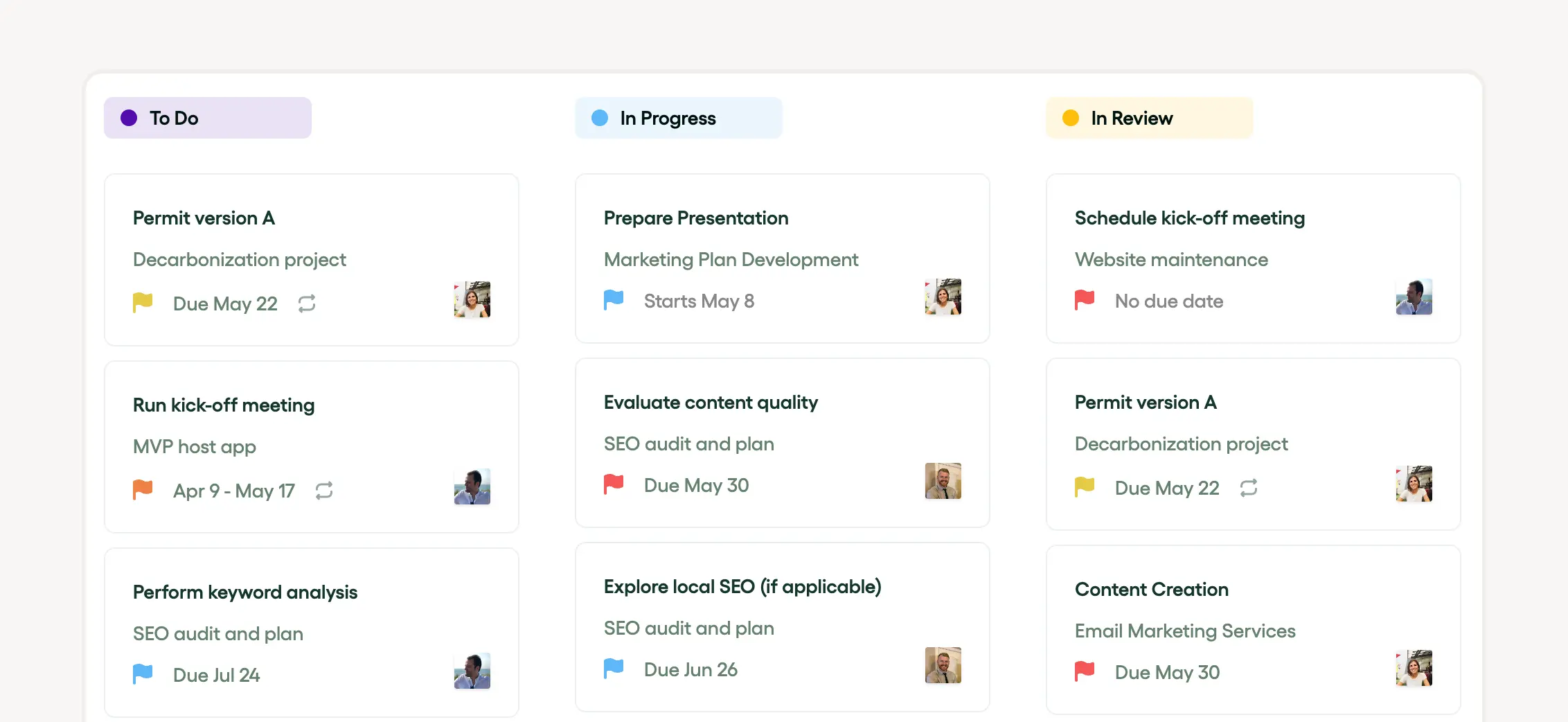
With integrated collaboration tools, Bonsai makes it easy for team members to communicate and work together. Real-time messaging, file sharing, and collaborative document editing ensure that everyone is on the same page, reducing the chances of miscommunication and improving overall efficiency.
- Bonsai has an in-app timer to log hours and track progress.
- Teams can estimate task time, set clear expectations, and schedule projects.
- It lets you set project budgets and track them for financial control.
- Bonsai turns billable hours into invoices quickly, improving cash flow.
- You can share accurate timesheets with clients, building trust.
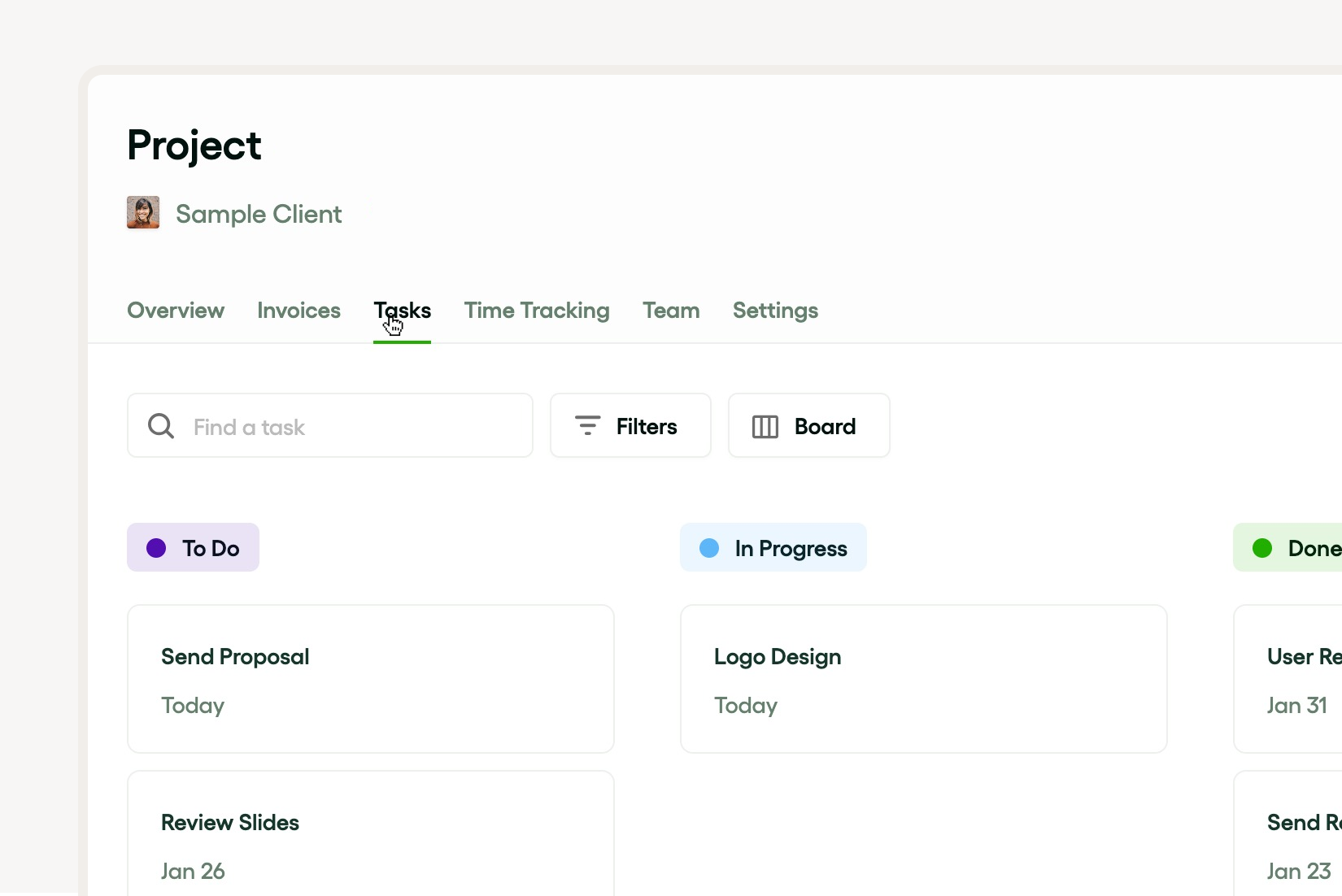
Bonsai's automation capabilities allow you to set up workflows that handle repetitive tasks automatically. This saves time and reduces the risk of human error. Automated reminders and notifications keep everyone informed about upcoming deadlines and important updates, ensuring that your projects stay on track.
By using these benefits, Bonsai can help you create a more organized, collaborative, and productive work environment.
Step-by-step guide on how to become a finance project manager
Earn a relevant degree in finance or business
The first step to becoming a finance project manager is to earn a degree in finance, business administration, or a related field. A bachelor's degree provides foundational knowledge in financial principles, accounting, and project management basics. Degrees like a Bachelor of Science in Finance or a Bachelor of Business Administration are commonly pursued.
Many universities offer specialized courses that cover financial analysis, budgeting, and risk management, which are essential skills for this role. Additionally, some schools provide project management electives or minors that can strengthen your understanding of managing projects within financial contexts.
To get started, research accredited programs that offer these degrees and consider online options from platforms like Coursera or edX if flexibility is needed. Completing your degree by 2026 will align your skills with current industry standards and technology trends.
Gain practical experience in finance and project management
Practical experience is crucial for becoming a finance project manager. Start by working in finance-related roles such as financial analyst, accountant, or budget coordinator to build your understanding of financial operations. These roles help you learn how to analyze financial data and manage budgets effectively.
Simultaneously, seek opportunities to manage or assist with projects within your organization. This could include coordinating timelines, managing resources, or communicating with stakeholders. For example, volunteering to lead a budgeting project or a financial system upgrade can provide hands-on project management experience.
Platforms like LinkedIn and Glassdoor list entry-level finance roles with project components. Aim to accumulate at least 2 to 3 years of combined finance and project management experience to prepare for a dedicated finance project manager position.
Obtain professional certifications to boost credibility
Certifications are valuable for demonstrating your expertise and commitment to the finance project manager role. The Project Management Professional (PMP) certification from the Project Management Institute (PMI) is widely recognized and can increase your job prospects and salary potential in 2024 and beyond.
Additionally, finance-specific certifications such as the Certified Management Accountant (CMA) or Chartered Financial Analyst (CFA) can complement your project management skills by deepening your financial knowledge. These certifications require passing exams and meeting experience criteria, so plan accordingly.
To prepare, consider online courses from providers like Coursera or LinkedIn Learning that offer PMP exam prep or finance certification training. Earning these credentials can set you apart when applying for finance project manager roles.
Develop key skills and stay updated with industry tools
Successful finance project managers need strong skills in budgeting, risk management, communication, and leadership. Focus on developing these through both formal training and on-the-job practice. For instance, improving your ability to create detailed financial reports and lead cross-functional teams is essential.
Familiarity with project management software like Microsoft Project, Asana, or Monday.com, combined with financial tools such as QuickBooks or SAP, is increasingly important. These tools help streamline project tracking and financial reporting, making your management more efficient and transparent.
Regularly update your skills by attending webinars, workshops, or industry conferences in 2024. Staying current with trends like automation in finance and agile project management methodologies will keep you competitive and effective in your role.
Education and skills for a finance project manager
A Finance Project Supervisor requires a strong educational background with a degree in Finance, Business Administration, or a related field. Key skills include project management, financial analysis, project budget management, and project scheduling. Other essential skills for this role are the ability to manage project risks, interpret project data, and communicate effectively with project stakeholders. Project charter preparation, meeting deadlines, and managing budgets are critical areas for a finance project manager. Continuous learning and staying updated on the newest trends and techniques in project finance are essential.
Essential education background for finance project managers
Acquiring a strong educational background is crucial to excel in project management. This involves gaining a deep understanding of key areas such as project planning, project budgeting, and project completion. Knowledge in these domains equips professionals to prevent project risk.

An advanced understanding of financial analysis and specialization in financial projects is essential. This knowledge enables efficient project charter creation, effective strategic planning, and data-driven decision-making. Coordinating a project team and communicating effectively with project stakeholders are skills honed through comprehensive education in these areas.
Important skills and competencies for finance project managers
Proficiency in project management is crucial for overseeing team tasks, handling project data, and driving project completion. Effective project planning and maintaining a tight schedule ensure timeframes are met. Experience in managing a project budget and financial analysis skills are important for handling project finance and aligning with financial objectives.

To be specific, being aware of the project risk and the ability to implement strategic planning to mitigate it are essential. Additionally, excellent communication for engaging with a project team and other project stakeholders is vital.
Relevant certifications for finance project managers
Acquiring relevant certifications can significantly enhance a Finance Project Supervisor’s credibility and expertise. Notable certificates include:
- Project Management Professional (PMP), which covers project planning and schedule management,
- Chartered Financial Analyst (CFA), recommended for financial analysis and project budget matters,
- Certified Project Risk Manager (CPRM), focusing on project risk, financial goals, and strategy planning,
- Master's in Project Finance or similar certifications, strengthening knowledge of project finance.
These certifications enhance the understanding of project data.
Finance project manager job market overview
The job market for finance project managers is growing rapidly due to high demand for financial projects. Project management now requires skills in creating project plans, budgeting, and financial analysis. Major tasks include strategic planning toward financial objectives, mitigating project risk, and ensuring project completion.
Moreover, the role demands capable coordination with the project team, effective communication with project stakeholders, and analysis of project data.
Finance project manager job opportunities and growth
Project management offers extensive job opportunities with significant growth potential. This field includes project planning, monitoring schedules, and controlling budgets. It also involves financial analysis and strategic planning to align with the financial objectives of each project.

In-depth knowledge of project finance is essential for effective project risk assessment. Managing data and communicating with project stakeholders are critical to successful project outcomes. These skills can boost a finance project manager's career trajectory. Understanding and implementing the project charter further refines project management expertise and opens opportunities for advancement.
Top industries hiring finance project managers
Finance project managers are in high demand across several industries. Key sectors include:
- Business accounting, involving planning, control, and execution of financial projects;
- Management consulting, where they engage in strategic planning to meet financial objectives;
- Technology, collaborating with teams and overseeing project data;
- Construction, coordinating financial logistics.
Finance project manager salary expectations
Finance project supervisors can expect salaries ranging from $85,000 to over $125,000 per year, depending on experience, skills, and responsibility level. Responsibilities include managing project finances, communicating with stakeholders, and handling financial projects. Skills in financial projects, team management, and project charter development influence earning potential.
Average finance project manager salary and influencing factors
Average salaries for finance project managers depend on factors like project management, planning, and financial analysis skills. Project budget, schedule, and risk management significantly impact earnings. Companies offer higher salaries to those who efficiently handle project data and finance. Managing project teams and stakeholder interests is also crucial.
Comparing finance project manager salaries across cities
Median salaries vary significantly across cities and sectors for project management roles involving financial analysis and project charter preparation. For example:
- A project manager in Fresno can expect to make roughly $80,000 per year, compared to an average of $120,000 in San Francisco.
- Professionals involved in the development of the project charter in Los Angeles earn around $85,000, which is much greater than the earnings of those in Riverside, who make roughly $65,000.
Finance project manager day in the life
A finance project manager starts the day analyzing project data to track financial project progress. The first task is reviewing the project schedule and aligning it with the budget to meet financial objectives. Next are strategic planning meetings with the project team and stakeholders to address project risks. They also create or update the project charter for new phases or plan changes. This combination of project planning and financial analysis makes the role challenging and interesting.
Typical finance project manager tasks and activities
Project management involves tasks such as planning, scheduling, and team coordination. Effective management requires continuous financial analysis to keep projects within budget. To complete projects on time, clear communication with stakeholders is essential, supported by timely reporting of project data. Project teams must handle risks and engage in strategic planning effectively.
Finance project manager challenges and how to overcome them
Project management challenges include maintaining schedules within budget, conducting reliable financial analysis, and managing risks effectively. Overcoming these requires thorough project planning and strategic planning. A well-defined project charter and a cohesive project team are essential. Clear communication with stakeholders ensures alignment with financial objectives. Reliable data analysis is critical to complete projects within time and budget.
Useful tools and software for finance project managers
Finance project management involves tasks such as budget control, financial analysis, and project planning. Using tools and software can streamline these tasks. Microsoft Project assists with scheduling and planning. Additionally, stakeholder management software supports strategic planning by managing project stakeholders and the project charter effectively.
Bonsai project management tool for finance project managers
Bonsai is an excellent project management tool for finance managers, offering features to streamline financial operations and project management. It helps organize projects from start to finish by efficiently arranging tasks and tracking expenses.
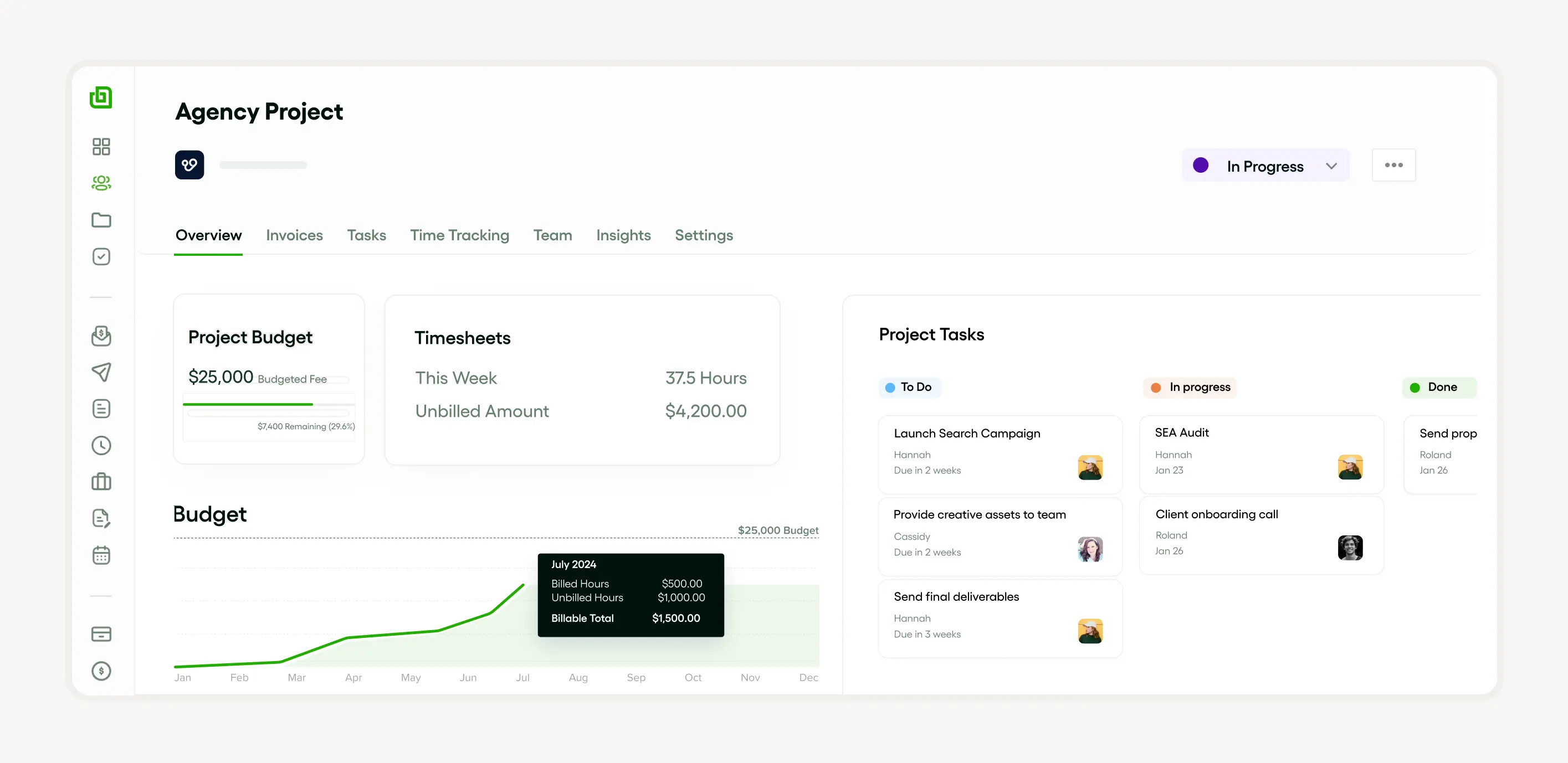
Here are some key reasons why Bonsai stands out:
- Bonsai integrates financial tracking with project management, allowing finance managers to monitor budgets, expenses, and invoices in one place. This ensures efficient and transparent financial management.
- Automates invoicing and payments, reducing administrative tasks. You can set up recurring invoices, track payments, and send reminders.
- Robust reporting and analytics tools provide insights into project financials, helping to track key metrics, analyze performance, and optimize budgets and resources.
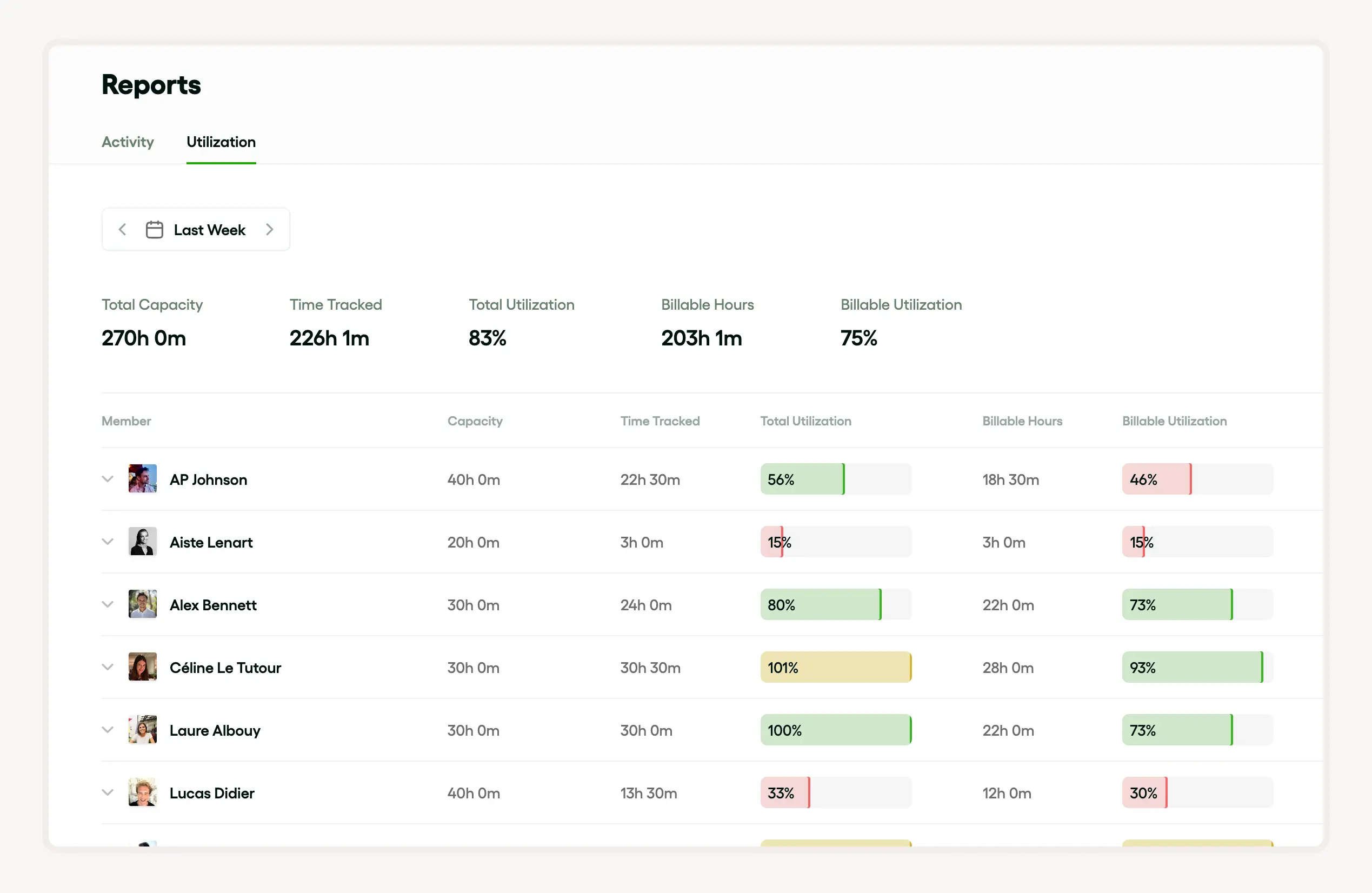
Finance project managers can enhance their project management capabilities, improve financial oversight, and ensure projects are completed within budget and on time by using Bonsai's features.
Microsoft Project software for finance project managers
You must have heard the name of Microsoft Project. It is a robust project management software that aids in project planning and financial analysis. Features of Microsoft Project include:
- Creating a comprehensive project charter
- Keeping an eye on project data and work to make sure it gets done on time
- Facilitating engagement and dialogue with project stakeholders
QuickBooks financial analysis tools for finance project managers
‘QuickBooks’ is an essential tool for financial analysis. It enables:
- The management of projects
- Project planning
- Project budget supervision
QuickBooks provides a platform to effortlessly manage financial projects, supervise the project schedule, and aid in achieving financial objectives.
QuickBooks is instrumental in strategic planning and allows the project team to assess project risk effectively. It provides crucial project data and facilitates smooth communication with project stakeholders.
For project finance, it would not be an overstatement if we say, “QuickBooks is an indispensable tool.”
Slack communication tools for finance project managers
Slack is an essential communication tool in project management. It ensures project teams are constantly updated about schedule changes, project risks, and progress toward completion.
Slack aids in project planning by helping teams manage their project budget through effective communication and financial analysis.
How to advance your career as a finance project manager?
As a finance project manager, your career progression relies heavily on proficiency in financial analysis, project management, and strategic planning. Continuously improving these skills greatly influences your project team's effectiveness and ensures financial projects are completed on time, within budget, and meet all financial objectives.
Building good relationships with project stakeholders is equally important for efficient project planning. Always strive for project completion within schedule, ensure proper execution of the project charter, and aim for excellence in all project finance responsibilities.
Continuing education and training for finance project managers
Continuing education and training are crucial for enhancing skills like project management, financial analysis, and project planning. They help effectively manage the project budget and handle financial projects. Continuous learning assists in understanding project risk management and strategic planning to meet financial objectives. Dedicated training empowers the project team to better manage stakeholders, handle project data, and ensure timely completion.
Networking opportunities for finance project managers
Networking opportunities are crucial in project management. Networking makes it easier for project teams to communicate, collaborate, and share project data. This facilitates smoother planning and execution. It also fosters strong relationships between stakeholders and encourages collaboration toward project completion. Networking supports professional growth and advancement, enabling individuals to excel in fields like project finance and project charter development.
Thriving as a finance project manager conclusion
A finance project manager relies on key skills in project management and strategic financial analysis. Successfully completing financial initiatives requires a well-planned budget and rigorous timetable. Success also depends on tight coordination of the project team and clear communication with project stakeholders. In short, these factors, along with a good grasp of the project's purpose and financial goals, ensure project success in an ever-changing market.


'%3e%3cg id='Final-Copy-2_2_' transform='translate(1275.000000, 200.000000)'%3e%3cpath class='st0' d='M7.4,12.8h6.8l3.1-11.6H7.4C4.2,1.2,1.6,3.8,1.6,7S4.2,12.8,7.4,12.8z'/%3e%3c/g%3e%3c/g%3e%3c/g%3e%3cg id='final---dec.11-2020'%3e%3cg id='_x30_208-our-toggle' transform='translate(-1275.000000, -200.000000)'%3e%3cg id='Final-Copy-2' transform='translate(1275.000000, 200.000000)'%3e%3cpath class='st1' d='M22.6,0H7.4c-3.9,0-7,3.1-7,7s3.1,7,7,7h15.2c3.9,0,7-3.1,7-7S26.4,0,22.6,0z M1.6,7c0-3.2,2.6-5.8,5.8-5.8 h9.9l-3.1,11.6H7.4C4.2,12.8,1.6,10.2,1.6,7z'/%3e%3cpath id='x' class='st2' d='M24.6,4c0.2,0.2,0.2,0.6,0,0.8l0,0L22.5,7l2.2,2.2c0.2,0.2,0.2,0.6,0,0.8c-0.2,0.2-0.6,0.2-0.8,0 l0,0l-2.2-2.2L19.5,10c-0.2,0.2-0.6,0.2-0.8,0c-0.2-0.2-0.2-0.6,0-0.8l0,0L20.8,7l-2.2-2.2c-0.2-0.2-0.2-0.6,0-0.8 c0.2-0.2,0.6-0.2,0.8,0l0,0l2.2,2.2L23.8,4C24,3.8,24.4,3.8,24.6,4z'/%3e%3cpath id='y' class='st3' d='M12.7,4.1c0.2,0.2,0.3,0.6,0.1,0.8l0,0L8.6,9.8C8.5,9.9,8.4,10,8.3,10c-0.2,0.1-0.5,0.1-0.7-0.1l0,0 L5.4,7.7c-0.2-0.2-0.2-0.6,0-0.8c0.2-0.2,0.6-0.2,0.8,0l0,0L8,8.6l3.8-4.5C12,3.9,12.4,3.9,12.7,4.1z'/%3e%3c/g%3e%3c/g%3e%3c/g%3e%3c/g%3e%3c/svg%3e)