


Project profitability is one of the important factors of project management with a detailed profitability assessment. It depends on the determination of the amount of revenue that can be generated from the project and then deducting the costs of implementing the same. This provides the gross project profit.
The profit margin, which measures the efficiency of the project, is computed by dividing the gross profit by the projected revenue. Other important elements in determining project profitability include:
- The cost of the project
- The return on investment
- Ways of earning more profit
Project accounting is important in gaining a full appreciation of these parameters.
Project profitability introduction
Project profitability is also an important aspect of project management and project accounting because it looks at the cash inflows and outflows of the project. It is common to find a profitability analysis that involves a detailed look at all the direct costs, indirect costs and the gross project profit thus giving an actual picture of the profit margin that is achievable on a project. Such a comprehensive assessment can help improve the speed of project work and, consequently, receive greater revenues.
Project control helps track the profitability of the project avoids financial difficulties for the company and helps it get a good profit. It assists the project managers in making the right decision as regards cost-cutting measures and revenue-earning strategies.
Definition of project profitability
Project profitability is the income obtained from a project after all the costs have been charged. It is an important measure of project productivity and reflects the economic performance of project management. Key factors include:
- Project revenue
- Project cost
- Project profit derived from the two
These may encompass activities like profitability analysis and project accounting, which are crucial in ascertaining profit, loss, and returns on investment. Another major concern is finding ways to improve the profit margin without compromising the project's quality and worth.
Why project profitability matters for agencies
The key performance indicator for agencies is project profitability because it reflects the agency’s ability to operate and generate revenue. Project profitability means controlling project revenues, direct revenues, or project costs to achieve a good profit line or gross project profit. Using project profitability, an agency can determine the return on investment, assess project efficiency, and plan how to increase profits. Good practices in project management and project accounting also enhance project profitability.
Key factors influencing project profitability
Parameters determining project profitability include:
- Amount of income generated by the project
- Costs incurred on the project
- Extent of resource utilization in managing the project
Project revenue is central to profitability, as higher revenue usually results in higher profit. However, costs, especially direct ones, also play a crucial role. Proper project management maximizes outcomes and minimizes unnecessary expenses, increasing the project’s profit margin. These aspects collectively define outcomes such as project profitability, return on investment, and gross project profit.
Project scope and requirements
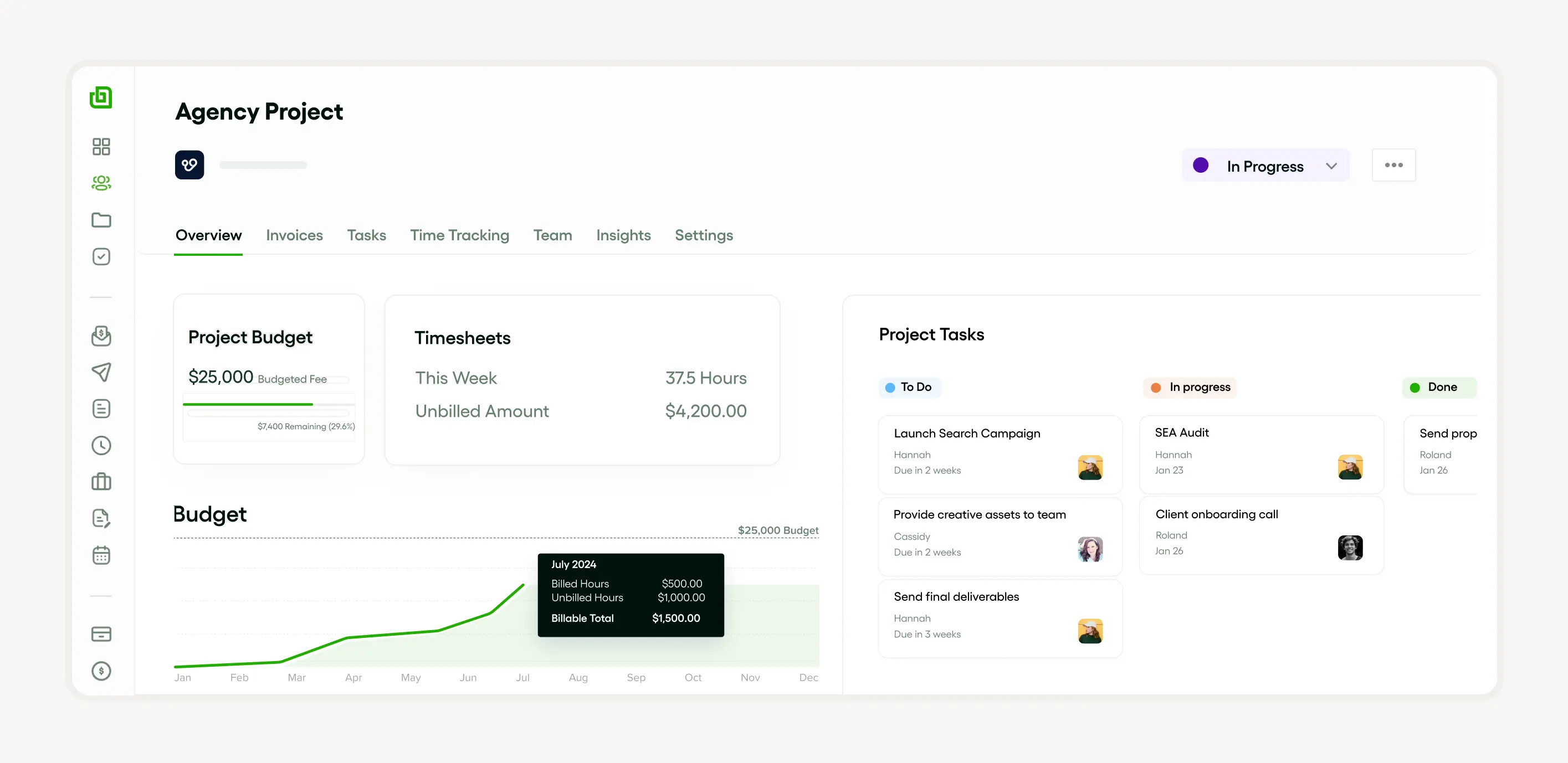
The main objective of this project is to evaluate and optimize the project performance, increase the project margin, and boost the profitability. It aims to offer a clear project financial viability statement with a special focus on return on investment, profit margin, and project direct costs.
The work to be done will require tight project management and accurate tracking of all the costs and determining the gross profit of the project. Knowledge of these elements will be instrumental in strategic management decision-making, the quest for more project revenues, and efficient management of cost.
Resource management

Managing project revenues, costs, and direct costs is important in managing projects so as to improve efficiency and profitability.
Applying strict methods of project accounting guarantees a proper profitability review which aids in the determination of the project profit and gross project profit.
Profit margins are crucial to comprehend in the light of project profitability and to plan for improved returns. Measures like the return on investments enable organizations to assess the efficiency of project management in order to make correct decisions on resource usage and costs.
Project timeline

The project time frame will comprise various aspects, including:
- Project management
- Cost evaluation
- Profitability
This will help track all project-associated revenues, direct costs, and overall project control. In the first phase, the emphasis will be on project accounting, providing a clear setting of all costs related to the project. Tracking project costs will enable profit improvement and offer a clear picture of the gross profit.
After this, we will be able to make a project profitability analysis in order to know the amount of profit that can be made on the project or the possible rate of return.
Cost management
Project accounting in relation to Cost Management provides information on project revenues, cost control, and improvement of project performance.
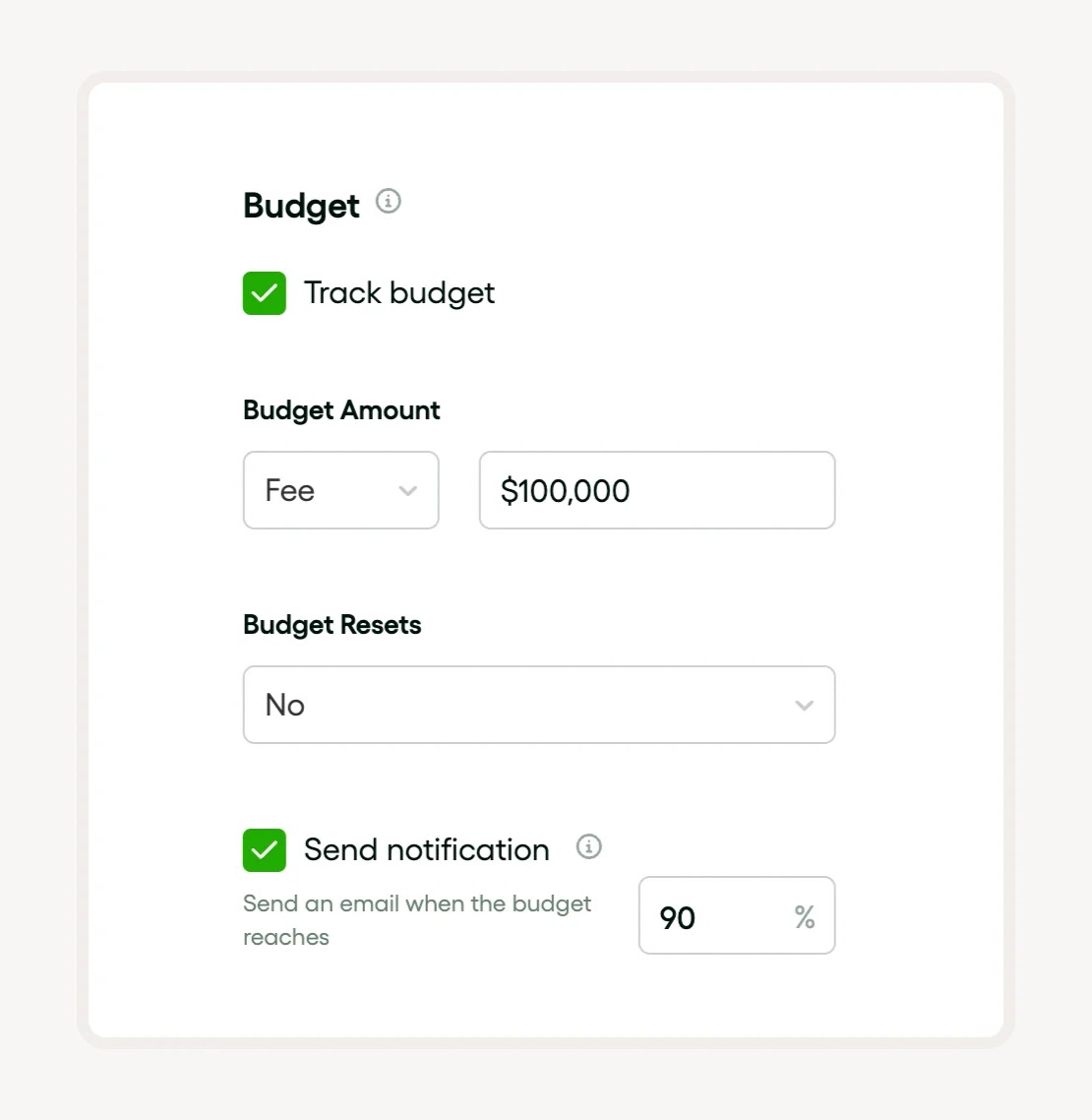
It is directly associated with project cost, direct cost, and cost control for the profitability of a project and to improve profitability.
Important aspects of Cost Management include:
- Project cost
- Direct cost
- Cost control
- Profitability improvement
- Aiming at assessing the gross project profit and the project profit at the beginning.
- Maintaining a keen check on the profit margins in order to have a better return on investment.
- Striving for higher project performance through the proper control of the cost of the project
Project profitability index (ppi) explained
The Project Profitability Index (PPI) is one of the most important indicators used in project accounting to estimate the efficiency of the project in terms of profitability. It offers a clear picture of the project profitability since it compares the revenue of the project to all related costs including direct costs.
PPI assists the project management in decision-making for higher profit in the project. It is defined as the ratio of the present value of gross project profit, to the initial investment, which is the cost of the project. The result depicts the profit that has been made on the specific project and the money that has been earned on the investment made for the project.
What is the project profitability index?
The Project Profitability Index is a financial tool used in project management to demonstrate the profitability and productivity of a project. It is defined as the ratio of the cumulative present value of project revenue during the construction period to total project cost, which includes direct cost. It is an important part of profit planning since it provides data regarding the investment return of a project. A figure greater than one means the project offers a chance to make a profit, and the costs will be overshadowed by that profit. Some of the sub-components of the Project Profitability Index are:
- Profit margin
- Gross project profit
- Efficiency of the project
Taking into account these factors improves project management and decision-making.
How to calculate the project profitability index?
The project profit index, also known as the Project Profitability Index (PPI), is calculated by estimating all possible project revenues and discounting them for the growth rate to get the current value of future cash flow. To estimate the project's initial cost, include all direct costs incurred during project implementation. Dividing the gross project profit by the total initial costs gives the profit per initial cost or investment. This can also be used to compute the return on investment. The profitability index shows the level of efficiency and profitability, assisting project management and profitability.
Steps to calculate project profitability
Project profitability analysis begins with the identification of project revenues that is the total amount of money that a project will earn. Next, the project costs which are the direct costs such as labor and material, and the indirect costs such as overhead are then deducted. This will give you the gross project profit, that is the amount of money you will make on the project if everything goes as planned.
The next step is to compute the profit margin, which is the gross project profit less the project revenue, stated as a percentage. This shows how the project management and project accounting are efficient. This data helps plan future projects and strategies to enhance profits. Another measure for assessing profitability and efficiency is the return on investment (ROI).
How to identify direct and indirect costs
Direct costs and indirect costs are basic concepts in examining project profitability. Direct costs are linked with the project and often include manpower, materials, and project-specific work costs. These affect the project break-even, direct project costs, and gross project costs. Indirect costs are not incurred for specific project work but impact project efficiency. Examples include overhead costs, project management costs, and project accounting costs. Both direct and indirect costs must be well predicted and controlled to achieve a high ROI and higher profits.
How to calculate the gross profit margin
In project accounting, the Gross Profit Margin is an essential financial ratio. It is obtained by dividing the difference between project revenue and direct costs by project revenue, then multiplying by 100. This gives the gross project profit, an important ingredient in profitability analysis. Here are the steps to calculate gross profit margin:
- Divide direct costs by project revenue.
- Subtract the number of projects from the sum of project revenue.
- Divide the result by 100 to arrive at the percentage.
Profit margin is a key component of the profitability analysis of a project because it can be used to evaluate the efficiency of a project and the ability to generate more profits. A high return on investment is normally associated with a high gross profit margin.
How to calculate the net profit margin
In project profitability analysis, the Net Profit Margin is an important factor. It is calculated by dividing the project profit by the project revenue and multiplying by 100. This ratio provides a broad view of profitability and project effectiveness. Several factors can influence the Net Profit Margin, such as:
- Direct costs: the costs which are directly linked to the given project.
- Project cost: the sum total of the expenses incurred in the running of a project.
- Gross project profit: the revenue obtained by excluding the direct cost from the total revenue of the project.
Managing projects more efficiently and project accounting to minimize costs could mean higher profits and therefore a higher return on investment.
Tools to calculate and track project profitability
There is software like Project Accounting software that enables tracking of project revenue, costs, and direct costs to conduct profitability analysis. This assists in closely monitoring gross project profit and evaluating project effectiveness. These tools also provide information on profit margin, helping formulate strategies for better profits. Additionally, project management methodologies offer metrics such as cost and return on investment. Using these tools helps businesses arrange operations better for project profitability analysis, enhancing project success.
Bonsai: a comprehensive project management tool
For agencies looking to optimize their project profitability, Bonsai offers a comprehensive solution that simplifies the complex task of tracking and analyzing project finances. Unlike other tools that may require juggling between multiple platforms, Bonsai provides an all-in-one platform designed specifically for creative agencies and freelancers.
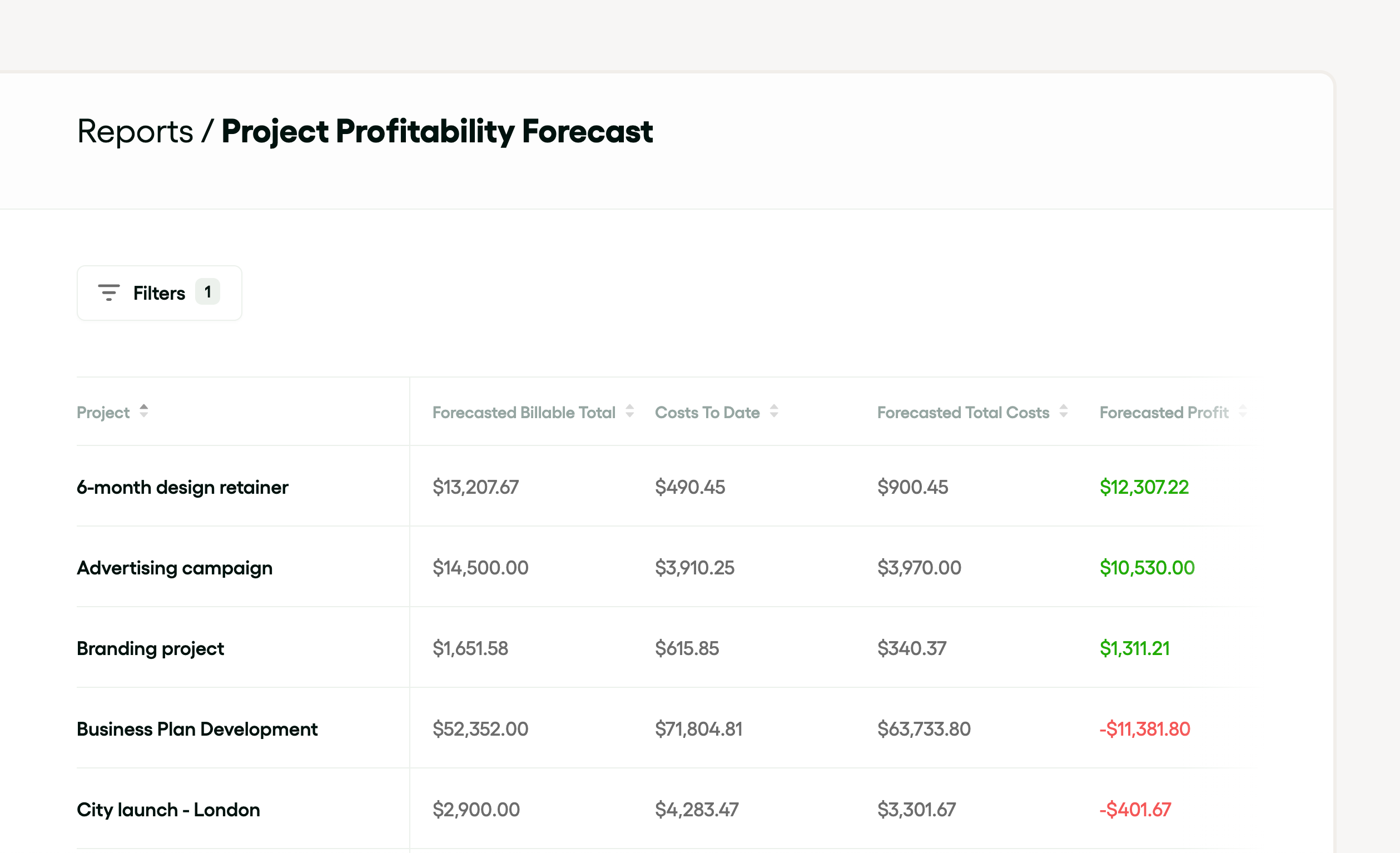
Using Bonsai, agencies can track the revenue from projects along with the direct costs and total cost of projects, giving them a clear picture of gross profit margins. This allows for detailed analysis of the profits and losses incurred by the agency from each project. Agencies can forecast and adhere to tangible results, improving project outcomes accordingly. Every aspect of the project’s financial management is incorporated within the platform. With real-time tracking tools in Bonsai, there is no need for additional project management software.
Implementing Bonsai into your agency's business processes not only facilitates management of finances but it also helps attain success by furnishing the necessary tools to optimize time and profit on every assignment.
QuickBooks: accounting software for profit calculation
For instance, QuickBooks is excellent accounting software. It helps manage project revenues, costs, and direct costs to calculate profits. QuickBooks simplifies project accounting and offers project profitability reports. This helps easily determine return on investment and increases project performance.
Its features include:
- Monitoring and controlling costs in a project
- Performing a profitability analysis
- Project gross profit and its project margin
Through these functionalities, QuickBooks plays a major role in enhancing the profits of a business organization.
Strategies to improve project profitability
There are several ways to enhance the profitability of projects. A good project management system helps control project costs and ensures efficient use of resources without incurring unnecessary expenses. You can also increase project revenue by implementing measures to improve profitability. These include:
- Carrying out a comprehensive profitability audit to determine where the most profits can be made.
- To raise the gross project profit through customer acquisition or through raising the price of the product.
- Being able to upgrade techniques of project accounting control as a way of enhancing the management of direct costs.
Lastly, the goal is a better profit margin and therefore a higher return on investment for the stakeholders.
How to plan projects effectively
General project planning entails project management, project accounting, and overall project profitability analysis. Factors to consider include project revenue, direct costs, and project cost to maintain a healthy gross project profit. This planning helps enhance profits by improving project work and profit margins. Therefore, analyzing profitability is necessary to determine project success.
How to allocate resources efficiently
Effective resource utilization in project management is a key factor in achieving project objectives and improving profits. It involves cost control of direct costs and project costs to optimize project revenues. The goal is to achieve the highest gross project profit and profit margin. Tools like project profitability analysis and project accounting provide detailed information about expenses and profits affecting ROI. Resource management is a critical success factor in project management.
How to monitor and adjust projects regularly
Project management involves constant assessment of project costs, projected profit, and overall efficiency. Managing these parameters provides information on project revenue, enabling adjustments to direct costs to improve profitability. Protecting a healthy profit margin requires careful accounting of the project, including expenditure analysis, revenue tracking, and ongoing financial process updates. Routine project profitability analysis guarantees a high return on investment. Monitoring helps identify areas where gross project profit can be improved.
Legal and tax considerations for wage or profit projects
Understanding your employment status and contracts
Determining whether you are an employee or an independent contractor is crucial for projects conducted for wages or profit. Your classification affects your tax obligations, legal rights, and benefits. For example, employees typically receive W-2 forms and have taxes withheld by their employer, while contractors receive 1099-NEC forms and handle their own tax payments.
Review your contract carefully to confirm the nature of your relationship. Contracts should clearly outline payment terms, project scope, and responsibilities. Using platforms like HelloBonsai can help freelancers create professional contracts that comply with current labor laws and protect both parties.
Takeaway: Clarify your employment status early and use clear contracts to avoid legal disputes and ensure correct tax treatment for your project.
Tax obligations and reporting for wage or profit projects
Projects conducted for wages or profit require accurate tax reporting to the IRS and state tax agencies. Independent contractors must file Schedule C with their 2024 tax returns to report income and expenses. Employees report wages on Form W-2, which employers provide by January 31, 2026.
Freelancers should track all income and deductible expenses, such as software subscriptions and home office costs, to reduce taxable income. Tools like QuickBooks Self-Employed, FreshBooks, or Bonsai Tax help automate expense tracking and generate tax reports. These tools also simplify managing quarterly estimated tax payments.
Takeaway: Maintain organized records and use accounting software to meet tax deadlines and avoid penalties for projects earning wages or profit.
Compliance with labor laws and local regulations
Projects conducted for wages or profit must comply with applicable labor laws, including minimum wage, overtime, and workplace safety rules. For example, California’s AB5 law affects how freelancers and contractors are classified, impacting their eligibility for benefits and protections.
Small business owners should also check local licensing requirements and permits related to their project type. Failure to comply can result in fines or legal action. Resources like the Small Business Administration (SBA) website provide state-specific guidance to ensure compliance.
Takeaway: Stay informed about labor laws and local regulations to protect your business and maintain lawful operations throughout your project.
Managing payments and invoicing for projects
Proper payment management is essential for projects conducted for wages or profit. Freelancers and small businesses should issue clear invoices that include payment terms, due dates, and tax information. This helps avoid payment delays and disputes.
Using invoicing tools like HelloBonsai, PayPal Invoicing, or QuickBooks can automate reminders and track payments efficiently. Additionally, set up separate business bank accounts to keep personal and business finances distinct, simplifying accounting and tax filing.
Takeaway: Implement professional invoicing and payment tracking systems to ensure timely compensation and accurate financial records for your projects.
Case studies of successful projects conducted for wages or profit
How a freelance graphic designer turned a branding project into profit
A freelance graphic designer completed a branding project for a local restaurant, charging $3,500 for logo design, menu layouts, and social media graphics. By clearly outlining deliverables and timelines in a contract, the designer ensured timely payment and avoided scope creep. This project was conducted for profit, with the freelancer reinvesting earnings into marketing their services.
The designer used tools like Adobe Illustrator and Canva to streamline design work, reducing hours spent while maintaining quality. They tracked time using Toggl, confirming the project took 40 billable hours, resulting in an effective hourly rate of $87.50. This clarity helped the freelancer set competitive rates for future projects.
Freelancers can replicate this success by defining project scope upfront, using time-tracking tools, and selecting software that balances efficiency with client expectations. Clear communication and contracts are key to turning creative work into reliable income.
Small business web development project with measurable profit outcomes
A small web development company completed a $12,000 e-commerce site for a boutique retailer in early 2024. The project was conducted for wages, with a fixed-price contract that included milestones and performance bonuses. The company used WordPress and WooCommerce to reduce development time while customizing features to client needs.
By integrating Google Analytics and Shopify sales tracking, the client saw a 25% increase in online sales within three months post-launch. This measurable profit boost justified the project cost and led to a long-term maintenance contract worth $2,000 annually. The developer’s upfront investment in scalable design paid off in recurring revenue.
Small businesses aiming for profitable projects should focus on delivering measurable value, like increased sales or efficiency. Using popular platforms and tracking tools can demonstrate ROI to clients, helping secure ongoing work and referrals.
Consulting project that maximized wages through strategic planning
A freelance business consultant conducted a strategic planning project for a startup, charging $150 per hour for 60 hours of work. The project was conducted for wages, focusing on market analysis, competitor research, and growth strategy development. Clear deliverables and weekly progress reports kept the client engaged and informed.
The consultant used tools like SEMrush for market insights and Asana for project management, ensuring efficient workflow. By identifying new customer segments and cost-saving measures, the consultant helped the startup increase projected revenue by 30% within the first year, directly linking the project to profit growth.
Consultants can maximize wages by specializing in high-impact areas and using data-driven tools to provide actionable recommendations. Transparent communication and documented results build trust and justify premium rates.
The role of project profitability in agency success
Earnings are the key to success in any business, especially in an agency where the profitability of a particular project is significant. High project revenue combined with carefully managed direct costs yields a significantly high gross project margin. Good project management and timely project accounting raise the profit margin and the success of the agency. Profitability analysis can inform decisions about a project, improve efficiency, and increase profit. Evaluating the cost of a project against the returns is critical in determining project profitability and the health of an agency's finances.


'%3e%3cg id='Final-Copy-2_2_' transform='translate(1275.000000, 200.000000)'%3e%3cpath class='st0' d='M7.4,12.8h6.8l3.1-11.6H7.4C4.2,1.2,1.6,3.8,1.6,7S4.2,12.8,7.4,12.8z'/%3e%3c/g%3e%3c/g%3e%3c/g%3e%3cg id='final---dec.11-2020'%3e%3cg id='_x30_208-our-toggle' transform='translate(-1275.000000, -200.000000)'%3e%3cg id='Final-Copy-2' transform='translate(1275.000000, 200.000000)'%3e%3cpath class='st1' d='M22.6,0H7.4c-3.9,0-7,3.1-7,7s3.1,7,7,7h15.2c3.9,0,7-3.1,7-7S26.4,0,22.6,0z M1.6,7c0-3.2,2.6-5.8,5.8-5.8 h9.9l-3.1,11.6H7.4C4.2,12.8,1.6,10.2,1.6,7z'/%3e%3cpath id='x' class='st2' d='M24.6,4c0.2,0.2,0.2,0.6,0,0.8l0,0L22.5,7l2.2,2.2c0.2,0.2,0.2,0.6,0,0.8c-0.2,0.2-0.6,0.2-0.8,0 l0,0l-2.2-2.2L19.5,10c-0.2,0.2-0.6,0.2-0.8,0c-0.2-0.2-0.2-0.6,0-0.8l0,0L20.8,7l-2.2-2.2c-0.2-0.2-0.2-0.6,0-0.8 c0.2-0.2,0.6-0.2,0.8,0l0,0l2.2,2.2L23.8,4C24,3.8,24.4,3.8,24.6,4z'/%3e%3cpath id='y' class='st3' d='M12.7,4.1c0.2,0.2,0.3,0.6,0.1,0.8l0,0L8.6,9.8C8.5,9.9,8.4,10,8.3,10c-0.2,0.1-0.5,0.1-0.7-0.1l0,0 L5.4,7.7c-0.2-0.2-0.2-0.6,0-0.8c0.2-0.2,0.6-0.2,0.8,0l0,0L8,8.6l3.8-4.5C12,3.9,12.4,3.9,12.7,4.1z'/%3e%3c/g%3e%3c/g%3e%3c/g%3e%3c/g%3e%3c/svg%3e)