





To ascertain your market value and set appropriate consulting fees, it’s crucial to comprehend the various factors that influence your service pricing. These include your hourly rate, project rate, and the prevailing market rate. Additionally, consider incorporating fees such as:
- Start-Up fee
- Admin Fee
- Subscription Fee
into your pricing structure, ensuring all applicable charges are accounted for.
Different industries may necessitate specific fees like an OPD Consultation Fee or a CCT Consultation Fee. Stay agile and be ready to adjust your fees in line with industry standards and current market trends.
Introduction to consultation fees
Consultation fees are a significant component of your income as a consultant. When setting these fees, consider the market rate, your value, and the complexity of the projects. Fees can vary based on the service provided. For example, you might charge an hourly rate for straightforward consulting or a project rate for more extensive operations. In certain cases, additional fees such as:
- Start-Up Fee
- Admin Fee
- Induction Fee
may apply.
Recurring expenses might be categorized as Ongoing fees or Subscription Fees. It’s important to keep these charges in mind and clearly communicate them to clients from the outset.
What is a consultation fee?
Consultation fees are the charges professionals levy for their time and expertise. These fees can be structured in several ways, such as:
- Hourly rate
- Project rate
- Subscription fee
Key considerations when pricing services include the market rate, experience, and project complexity.
Additional charges may apply depending on the service provided. For example, fees that may be levied at the beginning of a new project or partnership include:
- Start-Up Fee
- Admin Fee
Periodic fees may also apply, such as:
- CCT Consultation Fee
- OPD Consultation Fee
- Induction Fee for new members or clients
These charges can vary significantly based on industry norms and the specifics of the consulting agreement.
Why consultation fees matter for agencies
For agencies, consultation fees are vital, contributing to income and covering operational costs while ensuring quality service.
Agencies may employ various strategies for setting fees, such as an hourly rate, project rate, or subscription fee, depending on the service nature. This flexible pricing allows agencies to meet diverse client needs while maintaining market competitiveness.
Clear communication of these charges is essential to prevent misunderstandings. Agencies may charge specific fees such as:
- OPD consultation fee
- Start-up fee
- Induction fee
- Admin fee
- Ongoing fees for continuous services
Additionally, a unique CCT consultation fee may be applied for specialized consultative services.
How to determine consultation fees: a comprehensive approach

When setting consultation fees, consider factors that influence the final pricing. These include the market rate, the consultant’s experience and expertise, and the nature and complexity of the project. Consultants may opt for an hourly rate, project rate, or include a Start-Up Fee. Calculate applicable charges by taking into account specific fees such as:
- OPD Consultation Fee
- CCT Consultation Fee
- Ongoing Fees
Other considerations that can impact overall consulting fees include:
- Admin Fee
- Induction Fee
- Subscription Fee
Strike a balance between competitive pricing and adequately compensating for the quality of service provided.
Experience and expertise
With extensive knowledge in setting consultant fees, expertise includes strategies from hourly rate to project rate, ensuring services are priced accurately. This expertise is crucial in deciding whether to implement consulting fees or consider additional charges like a Start-Up Fee, Induction Fee, or Admin Fee.
Understanding the market rate is key to making informed decisions about Subscription Fees and other applicable charges. In the medical consultancy domain, handling fees like OPD Consultation Fee and CCT Consultation Fee is within my area of competence, as are Ongoing Fees for long-term projects.
Industry standards
Understanding industry standards is vital for aligning your consulting fees appropriately. This involves evaluating factors such as hourly rate, project rate, and market rate. These are primary determinants in pricing your services and deciding what to charge as a consultant.
Field-specific fees must be considered, such as:
- CCT Consultation Fee
- OPD Consultation Fee in medical consulting
Additional fees could also be relevant depending on your industry, including:
- Start-Up Fee
- Admin Fee
- Subscription Fee
- Induction Fee
Remember to account for Ongoing Fees for services provided on a retainer basis.
Geographical location
Geographical location plays a crucial role in setting consultant fees. In metropolitan areas with a higher cost of living, consulting fees are typically higher, reflecting the market rate for services in these regions. The applicable charges for services are scaled accordingly to match the economic conditions of the area.
Depending on your location, you may prefer an hourly rate or a project rate. For remote consultancies, factors like subscription fee, admin fee, start-up fee, or consultation fees such as CCT consultation fee and OPD consultation fee might influence your pricing structure. Ongoing fees could also be pertinent, depending on the nature of your consulting services.
Scope of the project
This project aims to provide a detailed analysis of the various strategies for pricing one's services in the consulting industry. The research will particularly focus on key concepts such as consulting fees, setting consultant fees, and charging as a consultant.
We will delve into concepts like hourly rate, project rate, and market rate, which significantly influence setting your consultation rates. Furthermore, we will thoroughly examine different types of fees such as:
- OPD consultation fee
- Start-up fee
- Admin fee
- Subscription fee
- Induction fee
- Applicable charges
- Ongoing fees
- CCT consultation fee
The aim is to give consultants, particularly those starting out, a comprehensive view on how to package and price their expertise in a manner that aligns with market trends and personal revenue expectations.
Factors to consider when setting your consultation fees
Assess your level of experience and expertise
Your level of experience and expertise directly influences your consultation fee. Clients are willing to pay more for professionals with proven skills, certifications, or a strong portfolio. For example, a consultant with 10 years of industry experience can justify charging $150 to $300 per hour, while someone just starting might set fees between $50 and $100.
Consider any specialized training or unique qualifications that add value. Certifications like PMP for project managers or CPA for accountants can increase your perceived worth. Also, think about how your past successes or client testimonials support a higher rate.
To set a competitive fee, research what peers with similar backgrounds charge on platforms like Upwork or LinkedIn ProFinder. Adjust your rates as you gain more experience or expand your expertise to reflect your growing value to clients.
Evaluate the complexity and scope of the client’s needs
The complexity of the client’s issue should shape your consultation fee. Simple questions or general advice typically command lower fees, whereas in-depth problem-solving or strategic planning requires higher charges. For instance, a 30-minute consultation to review a resume might cost $50, but a multi-hour session developing a business growth strategy could be $400 or more.
Break down the expected scope before quoting a fee. If the consultation involves detailed research, customized solutions, or follow-up support, factor those into your pricing. This ensures you are compensated fairly for your time and effort.
Communicate clearly with clients about what your consultation covers and any additional costs for extended services. This transparency helps manage expectations and builds trust, making it easier to justify your fees.
Conduct market research and consider local rates
Market research is essential to set a consultation fee that aligns with industry standards and local economic conditions. Rates can vary significantly by region; for example, consultants in New York or San Francisco often charge 20-30% more than those in smaller cities or rural areas.
Use tools like Glassdoor, Payscale, or industry-specific reports to gather data on typical consultation fees in your field and location. Also, check freelance marketplaces such as Fiverr or Freelancer to see what others are charging for similar services.
Adjust your fees based on this research to remain competitive while ensuring profitability. If you serve clients across different states, consider offering tiered pricing or virtual consultations to accommodate varying budgets.
Factor in overhead costs and desired income
Your consultation fee should cover not only your time but also your overhead costs and income goals. Overhead includes expenses like software subscriptions, office rent, marketing, insurance, and taxes. For example, if your monthly overhead is $2,000 and you work 80 billable hours, you need to add at least $25 per hour to cover these costs.
Additionally, decide on your desired annual income and calculate your hourly rate accordingly. If you aim to earn $80,000 annually and expect to bill 1,000 hours, your base rate should be $80 per hour before expenses.
Regularly review your overhead and income targets to adjust your consultation fees as your business grows or costs change. This proactive approach ensures your pricing remains sustainable and supports your financial goals.
How to determine your consultation fee
Determining your consultation fee requires consideration of various factors. Firstly, understand the market rate to ensure you are not underpricing your services or setting consultant fees too high. Whether you charge as a consultant on an hourly rate or a project rate depends on your business model and client preferences.
Some clients might prefer a Start-Up Fee, an Induction Fee, a Subscription Fee, or an OPD Consultation Fee. Evaluate all applicable charges and consider Ongoing Fees and an Admin Fee as parts of your service. Lastly, ensure your CCT Consultation Fee is justifiable and aligns with your overall pricing strategy.
How to calculate your hourly rate
Setting your consulting fees requires you to consider several key factors. The hourly rate, or the project rate, should take into account the market rate for similar services, your level of experience, and the value you bring to a project.
Charging as a consultant could also include applicable charges such as an Admin Fee, or the cost of any materials required for the service.
Additional fees, such as a Start-Up Fee for new clients, Ongoing Fees for recurring services, or a Subscription Fee for long-term engagements, may also be considered in pricing your services. Transparent CCT Consultation Fees or an OPD Consultation Fee could be introduced if you offer such services.
Each of these elements will influence your final consultant fees. Understanding how to strategically structure your fees is crucial for business sustainability and growth.
How to consider the value you provide
Always aim to deliver unparalleled value for your clients. Offer flexible consulting fees that align with budgetary constraints, including options such as hourly rate, project-based rate, or a market-competitive fee. This ensures you are pricing services fairly and competitively.
Fees include an initial Start-Up Fee and an OPD Consultation Fee, both designed to kick off the partnership on strong footing. Applicable charges also include an Admin Fee for ongoing administrative tasks, a fairly priced Subscription Fee for regular updates and services, and an Induction Fee for new team members or projects.
How to research competitor pricing
Researching competitor pricing is a crucial step to set consultant fees and ascertain market value. Whether you're pricing your services with an hourly rate, project rate, or OPD Consultation Fee, having knowledge over competitors' practices helps maintain competitive edge.
Consider the following factors when setting your consultation fee:
- Market rates
- Business expenses
- Client preferences
- Service complexity
- Your experience level
- The consulting fees they charge.
- Applicable charges.
- Different types of fees they employ such as Start-Up Fee, Admin Fee, Subscription Fee, Induction Fee, or ongoing fees.
This research on competitor pricing allows one to charge as a consultant a fee that is both fair and profitable.
Consultation fee structures
Hourly consultation fees
Hourly consultation fees charge clients based on the time spent during the consultation. This model is straightforward and commonly used by freelancers and small business owners who provide advisory or professional services. For example, a graphic designer might charge $75 per hour for initial project discussions.
To implement hourly fees effectively in 2024, use time-tracking tools like Toggl or Harvest. These platforms help log consultation minutes accurately, ensuring clients are billed fairly. Additionally, clearly communicate your hourly rate upfront to avoid misunderstandings.
When setting your hourly consultation fee, consider your industry standards and experience level. For instance, consultants in specialized fields like IT or legal services often charge between $100 and $300 per hour. Start with a competitive rate and adjust based on client feedback and demand.
Flat-rate consultation fees
Flat-rate consultation fees involve charging a fixed price for a specific consultation session regardless of its length. This approach provides clients with price certainty and can simplify your billing process. For example, a marketing strategist might offer a 30-minute consultation for a flat fee of $150.
To set an effective flat fee, estimate the average time and value of your consultation. Use scheduling tools like Calendly or Acuity to manage appointments and integrate payment options such as Stripe or PayPal for seamless transactions. This setup reduces administrative overhead and improves client experience.
Flat fees work well for standard consultations with clear scopes. If your services vary widely, consider tiered flat fees, such as:
- $100 for a 15-minute session
- $250 for a one-hour deep dive
This flexibility helps accommodate different client needs while maintaining transparency.
Retainer-based consultation fees
Retainer-based consultation fees require clients to pay a recurring amount for ongoing access to your expertise. This model suits freelancers and small business owners who provide continuous support or advisory services. For example, a business coach might charge $500 per month for up to five hours of consultation.
Setting up a retainer requires clear terms outlining the number of consultation hours included and how additional time is billed. Tools like HelloBonsai or QuickBooks can help manage retainer agreements and track usage efficiently. Retainers provide predictable income and build long-term client relationships.
Before offering retainers, evaluate your capacity to deliver consistent value. If you expect fluctuating demand, consider hybrid models combining retainers with hourly or flat fees for extra sessions. This approach balances steady revenue with flexibility for both you and your clients.
Choosing the right fee structure for your business
Selecting the ideal consultation fee structure depends on your service type, client preferences, and business goals. Hourly fees offer flexibility, flat rates provide simplicity, and retainers ensure steady income. Analyze your workflow and client expectations to decide which model fits best.
For example, if your consultations vary widely in length and complexity, hourly billing may be more accurate. Conversely, if your sessions are uniform and predictable, flat fees can streamline payments. Retainers suit ongoing advisory roles where clients need regular access to your expertise.
Test different fee structures and gather client feedback to refine your approach. Use invoicing software like HelloBonsai to customize billing templates for each model. Ultimately, clear communication about your consultation fees builds trust and supports sustainable freelance or small business growth.
Best practices for setting your consultation fees
Understand your market and client base
Setting your consultation fee starts with knowing your market and target clients. Research what competitors in your industry and region charge for similar services to establish a baseline. For example, freelance graphic designers in New York might charge between $75 and $150 per hour, while consultants in smaller cities may set lower rates.
Consider your ideal client’s budget and expectations. If you serve startups, your fees might need to be more flexible compared to corporate clients who expect premium pricing. Tools like LinkedIn Salary Insights or platforms such as Upwork can provide valuable data on current consultation rates in 2024.
By aligning your fees with market standards and client willingness to pay, you position yourself competitively. Regularly revisit this research every 6-12 months to stay updated with market changes and adjust your fees accordingly.
Calculate your costs and desired income
Determine your consultation fee by calculating your business costs and the income you want to earn. Start by adding fixed expenses like software subscriptions (e.g., HelloBonsai at $19/month), office rent, and taxes. Then, factor in variable costs such as marketing and travel.
Next, decide how many billable consultation hours you can realistically work each month. For instance, if you want to earn $6,000 monthly and can bill 40 hours, your hourly consultation fee should be at least $150. This ensures you cover expenses and meet income goals.
Using invoicing and time-tracking tools like Bonsai or Toggl can help monitor your hours and income targets. This approach creates a sustainable fee structure that supports your business growth in 2024 and beyond.
Communicate your fees clearly and confidently
Once you set your consultation fee, communicate it clearly to avoid confusion or negotiation delays. Include your fee structure in proposals, contracts, and your website. For example, specify whether your fee is hourly, per session, or project-based.
Be transparent about what is included in the consultation, such as follow-up emails or additional resources. This clarity helps clients understand the value they receive and reduces pricing objections. Using contract templates from HelloBonsai can streamline this process and protect your terms.
Practice stating your fees confidently during client conversations. Confidence signals professionalism and helps clients accept your rates without hesitation. Regularly update your communication materials to reflect any fee changes to maintain trust.
How to craft your consultation fee strategy
When setting your consultation fees, it’s essential to consider a range of factors that reflect the value of your services. Here’s a strategic approach to determining your fees:
- Project Rate: Determine a comprehensive fee for the entire project, reflecting the scope and complexity.
- Hourly Rate: Opt for a rate that compensates for the time invested, especially for tasks with variable durations.
- Start-Up Fee: Include a fee to cover the initial setup costs for new clients.
- Admin Fee: Account for the administrative tasks involved in your services.
- Ongoing Fees: Establish a recurring charge for continuous services provided.
Your pricing structure should aim to adequately reward your expertise and the value you deliver to your clients.
Flat fee vs. hourly rate
- Flat Fee: Offers predictability for both you and the client, suitable for projects with a well-defined scope.
- Hourly Rate: Provides flexibility and ensures fair compensation for the actual time spent on tasks.
Consider additional charges like OPD consultation fee, admin fee, or subscription fee to cover specific services. Align your fee structure with the market rate to remain competitive.
Retainer agreements
Retainer agreements outline the specifics of consulting fees and applicable charges, ensuring a mutual understanding of the value exchange. These may include:
- Hourly Rates: For work that is billed based on the actual time spent.
- Project Rates: For complete projects with a defined outcome.
- Ongoing Fees: For long-term engagements and continuous support.
Retainers can also encompass various fees such as OPD consultation fee, start-up fee, admin fee, subscription fee, induction fee, or CCT consultation fee, depending on the agreement.
Value-based pricing
- Value-Based Pricing: Focuses on the benefits and outcomes your services provide, rather than the time spent.
- Investment Perspective: Clients view your fees as an investment in their success, paying for the value rather than the effort.
This model requires a thorough understanding of the market rate and the unique value proposition of your consulting work. It may include Ongoing Fees, Subscription Fees, or a Start-Up Fee to ensure a fair and beneficial pricing structure for both parties.
Consulting fees study and industry pricing trends
Current average consultation fee rates in 2024
The average consultation fee in 2024 varies widely depending on industry, experience, and location. Management consultants typically charge between $150 and $400 per hour. IT consultants often range from $100 to $300 per hour. Freelancers in creative fields, like marketing or design, usually set fees between $75 and $200 per hour.
Geographic location also influences rates. Consultants in major metropolitan areas like New York or San Francisco tend to charge 20-30% more than those in smaller cities. Tools like Bonsai’s pricing calculator can help freelancers benchmark their consultation fees against current market data, ensuring competitive yet profitable rates.
To set your consultation fee effectively, research your niche’s going rates using industry reports from sources like ConsultingSuccess.com or the 2024 Freelance Rate Survey by Upwork. Adjust your fees based on your expertise and client budget to stay competitive while maximizing earnings.
How industry trends are shaping consultation fees
Industry trends in 2024 show a growing shift toward value-based pricing rather than hourly rates. Many consultants now offer fixed-fee packages or retainer agreements to provide clients with clearer cost expectations. This trend is especially strong in digital marketing and IT consulting sectors.
Additionally, the rise of remote consulting has expanded access to global clients, allowing freelancers to adjust fees according to international standards. For instance, a U.S.-based consultant might charge a premium for local clients but offer competitive rates for clients in emerging markets, balancing workload and income streams.
Freelancers and small business owners should monitor these trends by following platforms like LinkedIn Insights or industry newsletters. Experimenting with hybrid pricing models—combining hourly and project-based fees—can attract diverse clients and increase revenue stability.
Strategies to adjust your consultation fee in a competitive market
Adjusting your consultation fee in 2024 requires a strategic approach that reflects your value and market demand. Start by analyzing your past projects’ profitability and client feedback to identify if your current fees align with the quality you deliver.
Consider offering tiered consultation packages that provide basic, standard, and premium options. This approach caters to different client budgets and encourages upselling. For example, a basic package might include a one-hour consultation, while a premium package offers ongoing support and detailed reports.
Regularly revisit your consultation fee every six months using tools like Bonsai’s rate benchmarking and client feedback surveys. This practice ensures your pricing stays relevant and competitive, helping you grow your freelance or consulting business sustainably in 2024 and beyond.
What is a consultation fee?
Defining the consultation fee
A consultation fee is a charge that professionals or freelancers apply for their time and expertise during an initial meeting or session with a client. This fee covers the value of advice, assessment, or planning provided before any formal work begins. It ensures that the consultant’s time is compensated, even if the client decides not to proceed with further services.
For example, a freelance graphic designer might charge a $50 consultation fee to discuss project goals, timelines, and budget. This upfront fee helps filter serious clients and sets clear expectations. In 2024, many freelancers use platforms like HelloBonsai or QuickBooks to track and invoice consultation fees efficiently.
To set your consultation fee, consider your industry standards, experience level, and the average time spent per session. Starting with a clear, fair fee helps establish professionalism and protects your time from the outset.
How to charge a consultation fee effectively
Charging a consultation fee effectively begins with clear communication. Inform potential clients about the fee during initial outreach or on your website to avoid surprises. Specify whether the fee is refundable or applies toward future work. For instance, some consultants waive the fee if the client books a project within a certain timeframe.
Use invoicing tools like HelloBonsai or FreshBooks to send professional invoices that detail the consultation fee. These platforms also allow you to set payment terms, accept online payments, and automate reminders, making the process smooth for both parties. In 2024, offering multiple payment options, including credit cards and PayPal, increases the likelihood of timely payment.
By establishing a clear policy and using reliable invoicing software, you protect your income and demonstrate professionalism. This approach also helps filter out clients who are not serious about your services.
When to waive or reduce consultation fees
Waiving or reducing consultation fees can be a strategic decision to build client relationships or attract new business. For example, if a potential client is a nonprofit organization or a long-term prospect, offering a free or discounted consultation can encourage engagement. Some freelancers also waive fees during promotional periods or for referrals.
However, it’s important to set boundaries to avoid undervaluing your time. Clearly state any conditions for waiving fees, such as committing to a minimum project size or booking a follow-up session. This protects you from excessive unpaid consultations that do not lead to work.
Consider tracking waived or discounted consultations separately in your accounting software to understand their impact on your business. This insight helps you decide when it’s beneficial to offer such incentives and when to maintain your standard consultation fee.
How to communicate your consultation fees
Clearly communicate your consulting fees to prospective clients. This charge typically includes three parts: the Start-Up Fee, the hourly rate, and the Project rate.
The hourly rate is calculated according to market rates. In contrast, the project rate varies depending on service requirements. Ongoing fees such as Admin Fee, Subscription Fee, and applicable charges like Induction Fee are discussed once the client agrees to proceed.
For healthcare-related consultations, an OPD Consultation Fee or CCT Consultation Fee may apply. Businesses and individuals, please contact me for pricing my services.
Transparency in pricing
Transparency in pricing is a key aspect in setting consultant fees. When pricing my services, I take into consideration the market rate, project rate or hourly rate depending on the nature of the job. Whether it be an OPD Consultation Fee, a Start-Up Fee, or a CCT Consultation Fee, all applicable charges are explicitly stated, ensuring no hidden surprises for clients.
Moreover, Admin Fee, Subscription Fee, and Induction Fee are clearly marked out if applicable. Clients deserve clear communication about any ongoing fees on a regular basis. This up-front approach builds trust and allows proper budgeting.
How to negotiate your fee
When setting consulting fees, consider the market rate and the nature of the specific project. If it’s a short-term task, an hourly rate might be more appropriate. Large projects might warrant a project rate. Communicate all applicable charges to your client, such as start-up fees, admin fee, or a subscription fee for ongoing services.
Other considerations like OPD Consultation Fee, CCT Consultation Fee or Induction Fee may also be included depending on your industry-specific needs. Remember, pricing your services appropriately is crucial in not only ensuring your profitability but also in establishing your credibility and value as a consultant.
Tools and strategies to navigate consultation fees
Managing your consulting fees effectively requires the right tools and strategic considerations. Explore some essential tools and factors to help you set consultant fees and determine charges:
Bonsai
.webp)
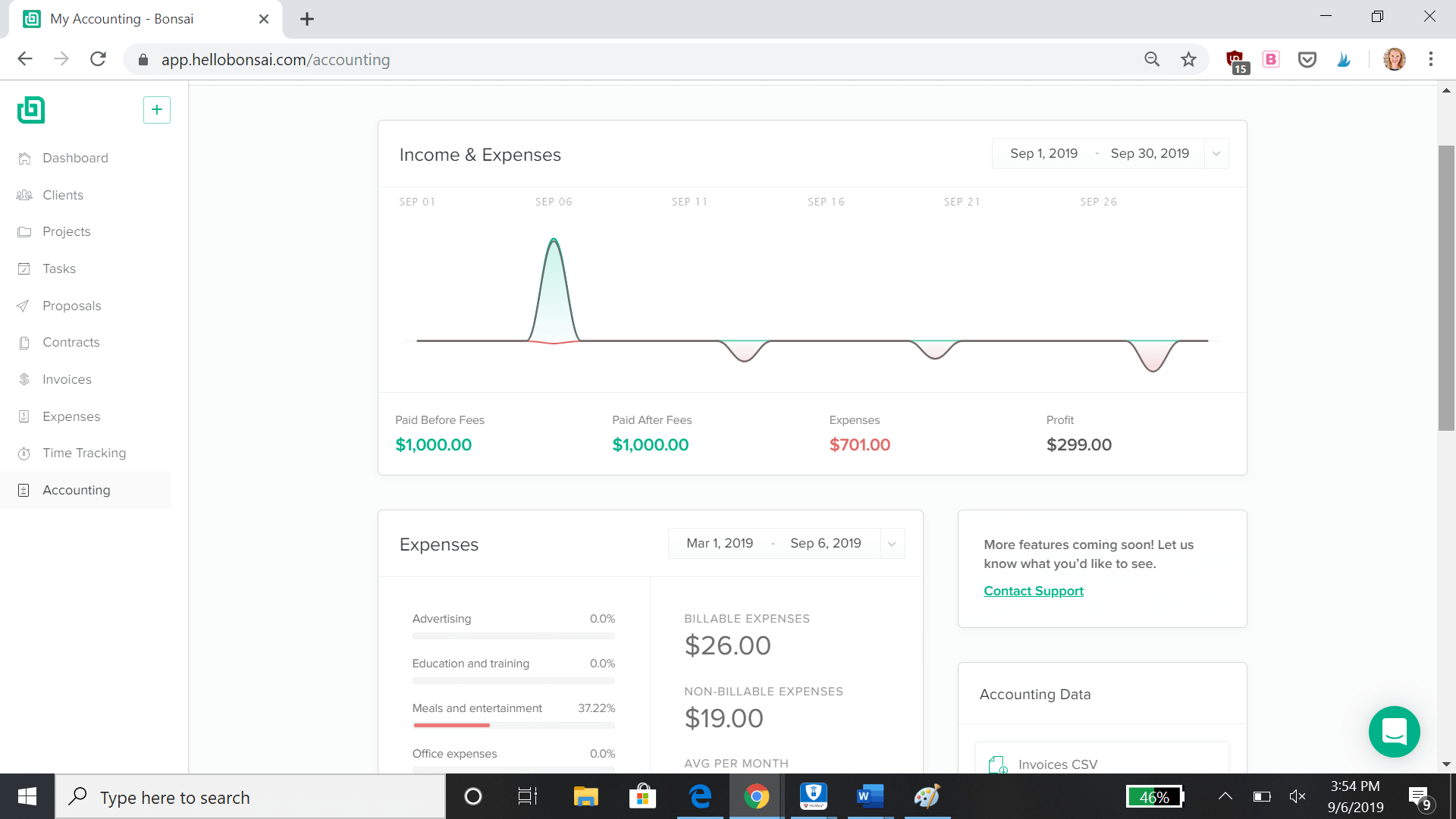
Bonsai is a powerful tool for managing consulting fees, pricing your services and schedule your consultations.
- Hourly rate and project rate: easily track your hourly rate and project rate.
- Invoicing and payment tracking: create professional invoices in minutes using pre-made templates and track payments.
- Flexible scheduling: easily set up appointments based on your availability.
- Fee Considerations: Efficiently charge for consultations, including fees like OPD Consultation Fee, Start-Up Fee, Admin Fee, and Subscription Fee.
Bonsai simplifies fee management and consultation scheduling, ensuring a smooth process for both you and your clients.
Balancing fair pricing and profitability
Setting consultant fees demands a good balance between fair pricing and profitability. Consider factors such as market rate, hourly rate, and project rate. Also, include other applicable charges such as:
- OPD Consultation Fee
- Start-Up Fee
- Admin Fee
- Subscription Fee
- Induction Fee
- Ongoing Fees
Charging as a consultant may also include a CCT Consultation Fee. Striking the right balance in pricing one's services is a key to sustain both the profitability of the business while also upholding fairness to clients.



'%3e%3cg id='Final-Copy-2_2_' transform='translate(1275.000000, 200.000000)'%3e%3cpath class='st0' d='M7.4,12.8h6.8l3.1-11.6H7.4C4.2,1.2,1.6,3.8,1.6,7S4.2,12.8,7.4,12.8z'/%3e%3c/g%3e%3c/g%3e%3c/g%3e%3cg id='final---dec.11-2020'%3e%3cg id='_x30_208-our-toggle' transform='translate(-1275.000000, -200.000000)'%3e%3cg id='Final-Copy-2' transform='translate(1275.000000, 200.000000)'%3e%3cpath class='st1' d='M22.6,0H7.4c-3.9,0-7,3.1-7,7s3.1,7,7,7h15.2c3.9,0,7-3.1,7-7S26.4,0,22.6,0z M1.6,7c0-3.2,2.6-5.8,5.8-5.8 h9.9l-3.1,11.6H7.4C4.2,12.8,1.6,10.2,1.6,7z'/%3e%3cpath id='x' class='st2' d='M24.6,4c0.2,0.2,0.2,0.6,0,0.8l0,0L22.5,7l2.2,2.2c0.2,0.2,0.2,0.6,0,0.8c-0.2,0.2-0.6,0.2-0.8,0 l0,0l-2.2-2.2L19.5,10c-0.2,0.2-0.6,0.2-0.8,0c-0.2-0.2-0.2-0.6,0-0.8l0,0L20.8,7l-2.2-2.2c-0.2-0.2-0.2-0.6,0-0.8 c0.2-0.2,0.6-0.2,0.8,0l0,0l2.2,2.2L23.8,4C24,3.8,24.4,3.8,24.6,4z'/%3e%3cpath id='y' class='st3' d='M12.7,4.1c0.2,0.2,0.3,0.6,0.1,0.8l0,0L8.6,9.8C8.5,9.9,8.4,10,8.3,10c-0.2,0.1-0.5,0.1-0.7-0.1l0,0 L5.4,7.7c-0.2-0.2-0.2-0.6,0-0.8c0.2-0.2,0.6-0.2,0.8,0l0,0L8,8.6l3.8-4.5C12,3.9,12.4,3.9,12.7,4.1z'/%3e%3c/g%3e%3c/g%3e%3c/g%3e%3c/g%3e%3c/svg%3e)