




Credit card statements can serve as proof for tax deductions, but they may not always be sufficient for IRS audits. While the IRS accepts them as evidence of expenses, additional documentation like receipts or invoices may be necessary to substantiate claims fully. It's crucial to maintain detailed records, including notes on business purposes and organized receipts, to ensure compliance. The Cohan Rule may allow for some deductions without complete documentation, but it's not a guarantee. To avoid issues, keep comprehensive records and consult tax professionals for guidance. This approach ensures readiness for audits and maximizes tax deduction opportunities.
Can you use credit card statements as receipts for taxes?
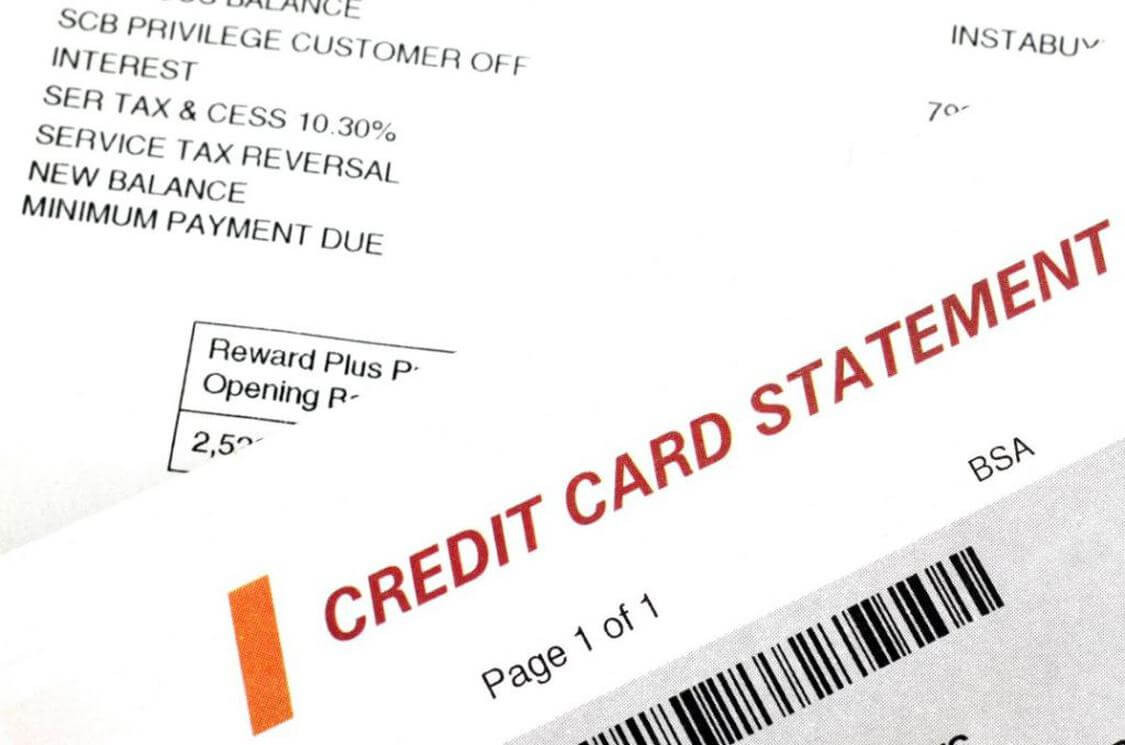
The IRS accepts credit card statements as proof of tax write-offs. They can be used to support your expense claims when filing taxes. Here are the best apps to track receipts for taxes.
But, if the IRS determines the information on your statement does not provide enough detail of your purchases, they can ask you for another type of proof.
When being audited, there are two things the IRS might ask for in order to prove most deductible expenses: a record of payment and a receipt of payment.
A credit card statement can only serve as a record of payment, but a receipt may be needed to provide the details of such purchase. If you have no receipts, you cannot prove that you bought something tax-deductible. While it is true that some records on credit card statements might actually provide more details of the purchase, you cannot completely rely on this.
It is always important to keep documents that support the entries in your books. You can use any record-keeping system you’d like (like Bonsai's tax receipt organizer), as long as your expenses and income are accurate, clear and all the necessary details are included.
Review the records you should keep depending on the types of income or expenses.

Using bank or credit card statements as alternative proof of receipts
When can credit card statements be used as receipts for taxes
Credit card statements can be used as proof of purchase for tax purposes when original receipts are unavailable, but they typically do not replace detailed receipts entirely. The IRS requires documentation that shows the amount, date, and business purpose of an expense. Credit card statements provide the amount and date but often lack specific details about the items or services purchased.
For example, if you paid a software subscription with a credit card and lost the original invoice, your credit card statement showing the vendor's name, date, and amount can support your deduction. However, if the statement only lists a generic merchant name like "Online Services," it may not be sufficient without additional documentation.
To maximize the usefulness of credit card statements, pair them with other records such as emails, contracts, or calendar notes that explain the business purpose. This combined evidence strengthens your position during an audit and helps meet IRS requirements for substantiating expenses.
How to organize credit card statements for tax recordkeeping
Organize credit card statements effectively to use them as alternative receipts. Download monthly statements from your credit card provider's online portal in PDF format for the 2024 tax year. Label each file clearly with the month and year, such as "Visa_Statement_Jan2024.pdf."
Next, highlight or annotate transactions related to business expenses. Many PDF readers allow you to add notes directly on the statement. This helps separate personal and business spending, which is crucial for freelancers and small business owners who use the same card for both.
Store annotated statements in a dedicated folder within your accounting software or cloud storage like Google Drive or Dropbox. Use tools like QuickBooks or Expensify to automate this process by linking credit card transactions to expense categories. This makes tax time more efficient and accurate.
Limitations and risks of relying solely on credit card statements
Relying only on credit card statements as proof of expenses carries risks because they often lack detailed descriptions required by tax authorities. Statements show the merchant name and amount but rarely include itemized purchases or the business purpose, which can lead to disallowed deductions during an audit.
For instance, a credit card statement might show a charge from a large retailer like Amazon, but without an itemized receipt, it’s unclear which purchases were for business versus personal use. This ambiguity can cause issues, especially in states like California where tax regulations emphasize clear documentation.
To mitigate these risks, always try to obtain and keep original receipts or invoices. Use credit card statements as a backup rather than a primary source. If original receipts are lost, supplement statements with other proof such as emails or contracts. This approach ensures your records are audit-ready and compliant with 2024 tax standards.
Other documentation to use if you don’t have a receipt
Using credit card statements as proof of expenses
Credit card statements can serve as valid proof of expenses when you don’t have a receipt, but they are not a perfect substitute. The statements show the date, vendor, and amount spent, which helps verify the transaction. However, they usually lack detailed information about the items or services purchased, which the IRS prefers for audits.
For example, if you bought office supplies and lost the receipt, your credit card statement will confirm the payment to the store. To strengthen your documentation, pair the statement with notes explaining the purchase purpose or any related emails or invoices. This combined evidence can support your deduction more effectively.
To use credit card statements properly, highlight the relevant transactions and keep them organized with your tax records. Many accounting tools like QuickBooks or Expensify allow you to upload and tag these statements, making it easier to track expenses during tax season. Always keep statements for at least three years in case of an IRS audit.
Supplementing missing receipts with bank statements and invoices
Bank statements can also help verify expenses when receipts are missing, especially for debit card or electronic payments. Like credit card statements, bank records show transaction dates, amounts, and payees, but they often lack purchase details. To make these statements more useful, you should add supporting documents such as invoices or contracts.
Invoices from vendors or service providers provide itemized details about what you purchased, including quantities and prices. If you don’t have a receipt, requesting an invoice from the vendor can fill that gap. For freelancers, keeping digital copies of invoices sent to clients or received from suppliers is essential for accurate bookkeeping.
Organizing bank statements alongside invoices creates a clear paper trail. For example, if you paid a contractor via bank transfer, the bank statement shows the payment, while the invoice confirms the work done. This combination strengthens your tax records and reduces the risk of disallowed deductions.
How to create your own documentation when receipts are lost
If you lose a receipt and cannot obtain a copy from the vendor, you can create a written record to document the expense. The IRS accepts a detailed expense log that includes the date, amount, vendor, and business purpose. This log should be as specific as possible to demonstrate the legitimacy of the expense.
For instance, freelancers can maintain a mileage log or a daily expense journal using apps like MileIQ or Evernote. These tools allow you to record expenses in real time, reducing the chance of forgetting important details. Adding supporting evidence such as photos of items or correspondence with vendors can further validate your claim.
To ensure your self-created documentation holds up, keep it consistent and timely. Update your logs regularly and store them with other financial records. This proactive approach helps you stay organized and prepared for tax filing or potential audits, even when original receipts are missing.
Records to keep for using credit card statements as receipts for taxes
Any payroll, purchase, sale, or other business transactions will generate documents you can use for support. Depending on the transaction, the IRS has different types of records that are considered as valid proof or receipts to keep for taxes. Your credit card statement can be used only for proof of purchases and expenses:
Purchases and expenses
Purchases are the items that you buy and resell in your business. This includes the cost of raw materials purchased for manufacturing if you are a producer. Expenses are other costs you incur in your business besides purchases. This includes employee payments, rent expense, gas expenses (business use of your car), or office improvements.
The documents required as proof of purchases and expenses include the following:
- Receipts
- Invoices
- Credit card statements
- Bank statements
- Expense logs
- Invoices
- Credit card statements and receipts
- Cash register tape receipt
- Cancelled checks
- Any other document reflecting proof of payments or electronic funds transfers.
The IRS notes that a combination of documents may be needed to support all elements of the expense, which is why it’s important you have more than one type of record.
Here are some other types of records you should keep.

Gross Receipts
The gross receipts are the total income you receive from the goods sold or services provided by your business. Your documents should show amounts and sources of the gross receipts. Some of the records the IRS requires include:
- Invoices
- Sales receipts
- Bank statements
- Contracts
- Deposit information
- Receipt books
- 1099-MISC Forms
- Invoices
Assets
Any property that you purchase to use on your business, such as furniture, vehicles, or machinery is considered an asset. You must always keep records to verify the annual depreciation, and your gain or loss if the asset is sold.
Some important information your documents should show includes the original purchase price, when and how the asset was purchased and sold (if you disposed of it later), selling price, and deductions for depreciation. Documents that can help you prove that include:
- Purchase invoices
- Sales receipts
- Depreciation schedules
- Tax forms
- Invoices of purchase and sale
- Documents that identify amount, payee, and proof of payment or electronic funds transferred (for example cancelled checks)
- Real estate closing statements
Entertainment, Travel, and Gifts
- When you deduct gifts, entertainment, or travel expenses there are specific elements required as valid proof. These include the reason for the expense or business benefit gained, the amount of each separate expense, and even proof of your presence at a business meal given to a client. IRS Publication 463 specifies all requirements.
Do IRS rules vary by business type or entity?
How IRS documentation requirements differ for sole proprietors
The IRS generally allows sole proprietors to use credit card statements as proof of business expenses, but these statements alone may not always suffice. For 2024 tax filings, the IRS expects receipts or invoices that clearly show the purchase details, including the date, amount, and business purpose. Credit card statements typically list the vendor and amount but lack itemized descriptions, which can raise questions during an audit.
For example, a freelance graphic designer using a credit card to buy software subscriptions should keep the vendor’s invoice or email receipt along with the credit card statement. This combination provides stronger evidence of the expense’s business nature. Tools like Expensify or QuickBooks can help freelancers organize and attach these receipts to their transactions digitally.
To stay compliant, sole proprietors should avoid relying solely on credit card statements. They should collect detailed receipts and store them with their statements. This practice reduces audit risks and ensures smoother tax reporting. Use accounting software like QuickBooks, Expensify, or Bonsai Tax to track expenses. These tools automate the process and provide clear documentation when filing Schedule C.
Documentation expectations for partnerships and LLCs
Partnerships and LLCs face similar IRS documentation standards but often require more rigorous record-keeping due to multiple owners and complex expense allocations. The IRS expects these entities to maintain receipts that clearly link expenses to business activities, especially when expenses are shared or reimbursed among partners.
For instance, a marketing agency structured as an LLC should keep detailed receipts for client-related expenses, not just credit card statements. These receipts help justify deductions on Form 1065 and Schedule K-1. Using cloud-based tools like Hubdoc or Receipt Bank can streamline receipt collection and ensure all partners have access to necessary documentation.
Partnerships and LLCs should implement consistent policies for expense documentation. This includes requiring itemized receipts alongside credit card statements to support deductions. Doing so helps prevent disputes among partners and ensures compliance with IRS rules during tax season.
Corporations and stricter IRS record-keeping standards
C corporations and S corporations are held to stricter IRS standards for expense documentation compared to smaller entities. The IRS expects detailed records that clearly demonstrate the business purpose of each expense. Credit card statements alone rarely meet these standards because they lack itemization and proof of business intent.
For example, a C corporation purchasing office equipment must retain vendor invoices or receipts that specify the items bought, their cost, and the date. These documents support deductions on Form 1120 or 1120S. Many corporations use enterprise expense management software like Concur or Certify to capture and verify receipts, ensuring compliance with IRS rules.
Corporations should establish formal policies requiring employees to submit itemized receipts alongside credit card statements. This approach reduces the risk of disallowed deductions and audit penalties. Regular training on documentation requirements can help maintain consistent compliance across departments.
What the IRS allows you to deduct without receipts
Understanding IRS rules on deductions without receipts
The IRS allows certain business expenses to be deducted even if you don’t have traditional receipts. For small business owners and freelancers, this flexibility can ease record-keeping burdens. However, the IRS still requires you to prove the expense was ordinary, necessary, and directly related to your business.
Credit card statements can sometimes serve as proof of payment, but they usually lack detailed information like what was purchased. The IRS prefers receipts or invoices that show the date, amount, and description of the expense. Without these, you must provide other evidence such as bank statements, canceled checks, or written records explaining the expense.
To maximize your deductions without receipts, keep detailed logs or notes about each transaction. For example, if you use a credit card for travel, maintain a travel diary with dates, destinations, and business purposes. This approach helps satisfy IRS requirements if you’re audited.
Common deductible expenses that may not require receipts
Some deductible expenses do not require traditional receipts if you can prove the cost through other documentation. For instance, mileage deductions for business travel can be substantiated with a mileage log instead of receipts. The IRS allows a standard mileage rate of 65.5 cents per mile for 2023 and 2024, which simplifies record-keeping.
Small incidental expenses under $75 may not require receipts if you have a reasonable record of the expense. This includes items like parking fees or tolls. Credit card statements showing the date and amount can support these deductions when paired with notes about the business purpose.
Utilities and rent paid by check or credit card also don’t always need receipts if you have bank or credit card statements showing the payments. Just ensure your accounting system clearly separates personal and business expenses to avoid confusion.
How to organize and document expenses without receipts
When you don’t have receipts, organization is key to maintaining deductible expense records. Use digital tools like QuickBooks, Expensify, or Shoeboxed to track expenses and attach credit card statements or other proof. These platforms help create a clear audit trail for the IRS.
Keep a detailed expense journal that records the date, amount, vendor, and business purpose for each transaction. For example, if your credit card statement shows a $120 charge at a restaurant, note the client meeting details or business reason for the meal. This documentation strengthens your position during tax filing or audits.
Finally, regularly review your records and reconcile them with your bank and credit card statements. Doing this monthly ensures you catch missing receipts early and maintain accurate, IRS-compliant records throughout the year.
Tips to use credit card statements as receipts for taxes
Here are some basic tips to help keep your records straight for a smooth IRS tax audit:

How to photograph or scan your documents for tax receipts
The IRS accepts scanned and digital receipts for tax write-offs. Snap a photo on your smartphone if you have difficulty storing paper receipts. Always make sure the picture clearly shows the date, total purchase amount, and business address. Keep tax receipts for at least three years; scanning your documents allows easy future access. For more details, see the length to keep tax receipts.
How to organize records by category for tax purposes
Using file folders is an effective way to organize your documents. Label folders with categories that apply to your business’ income and expenses. Examples include medical expenses, business account info, child care receipts, or goodwill donations.
What is the period of limitations for tax records?
This is the period of time in which you can claim a credit or refund on your tax returns, or when the IRS can determine additional tax. In general, you should keep your federal tax records for a period of three years after you file.
Keep in mind, there are some scenarios where the IRS establishes a different period of limitations.
How to make tax season easier using credit card statements as receipts
If you are self-employed, Bonsai will help you with calculations, record-keeping, and guidance through the process of filing your taxes. With Bonsai Tax you can track the records of your business expenses by scanning your cash receipts and importing credit card and bank statements.
Give yourself peace of mind and let Bonsai do all the work.


'%3e%3cg id='Final-Copy-2_2_' transform='translate(1275.000000, 200.000000)'%3e%3cpath class='st0' d='M7.4,12.8h6.8l3.1-11.6H7.4C4.2,1.2,1.6,3.8,1.6,7S4.2,12.8,7.4,12.8z'/%3e%3c/g%3e%3c/g%3e%3c/g%3e%3cg id='final---dec.11-2020'%3e%3cg id='_x30_208-our-toggle' transform='translate(-1275.000000, -200.000000)'%3e%3cg id='Final-Copy-2' transform='translate(1275.000000, 200.000000)'%3e%3cpath class='st1' d='M22.6,0H7.4c-3.9,0-7,3.1-7,7s3.1,7,7,7h15.2c3.9,0,7-3.1,7-7S26.4,0,22.6,0z M1.6,7c0-3.2,2.6-5.8,5.8-5.8 h9.9l-3.1,11.6H7.4C4.2,12.8,1.6,10.2,1.6,7z'/%3e%3cpath id='x' class='st2' d='M24.6,4c0.2,0.2,0.2,0.6,0,0.8l0,0L22.5,7l2.2,2.2c0.2,0.2,0.2,0.6,0,0.8c-0.2,0.2-0.6,0.2-0.8,0 l0,0l-2.2-2.2L19.5,10c-0.2,0.2-0.6,0.2-0.8,0c-0.2-0.2-0.2-0.6,0-0.8l0,0L20.8,7l-2.2-2.2c-0.2-0.2-0.2-0.6,0-0.8 c0.2-0.2,0.6-0.2,0.8,0l0,0l2.2,2.2L23.8,4C24,3.8,24.4,3.8,24.6,4z'/%3e%3cpath id='y' class='st3' d='M12.7,4.1c0.2,0.2,0.3,0.6,0.1,0.8l0,0L8.6,9.8C8.5,9.9,8.4,10,8.3,10c-0.2,0.1-0.5,0.1-0.7-0.1l0,0 L5.4,7.7c-0.2-0.2-0.2-0.6,0-0.8c0.2-0.2,0.6-0.2,0.8,0l0,0L8,8.6l3.8-4.5C12,3.9,12.4,3.9,12.7,4.1z'/%3e%3c/g%3e%3c/g%3e%3c/g%3e%3c/g%3e%3c/svg%3e)